Yttrium: A Critical Element at the Heart of China’s Trade Battle
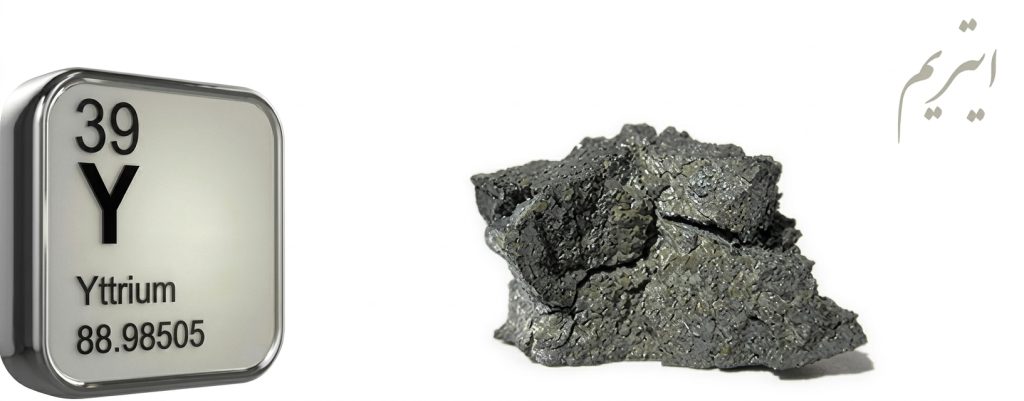
While the world remains focused on political agreements and high-level negotiations, an element known as yttrium has emerged as one of China’s most powerful tools of economic and political leverage. Although relatively unfamiliar to the general public, this metal plays a critical role in strategic industries such as jet engines, semiconductors and aerospace, and has now become a highly targeted instrument in China’s hands.
China, which holds a dominant position in the global supply chain for this material, has adopted what can be described as a “drip-feed” supply strategy — keeping exports at a level that avoids triggering a full-scale military or political confrontation while placing significant pressure on Western supply chains, particularly those of the United States. Reports indicate that the United States has faced severe shortages of yttrium in recent months, with even direct intervention by the White House failing to guarantee a stable supply of the material.
Meanwhile, Japan has reportedly faced informal restrictions on access to the metal because of its political stance on Taiwan. Japanese companies have warned in reports filed with the Tokyo Stock Exchange that China’s export controls have had a significant impact on their production operations.
Now, Europe is facing the same challenge. Brussels is seeking to use diplomatic and political pressure to persuade China to restore normal exports of critical minerals. However, as long as Beijing maintains significant control over the supply of these materials, yttrium is likely to remain a potential source of leverage in global trade negotiations.
The once little-known element has therefore moved to the center of a broader geopolitical struggle over critical minerals, industrial supply chains and technological security.