U.S. Critical Mineral Supply Chain Hinges on Ontario’s Strategic Decisions
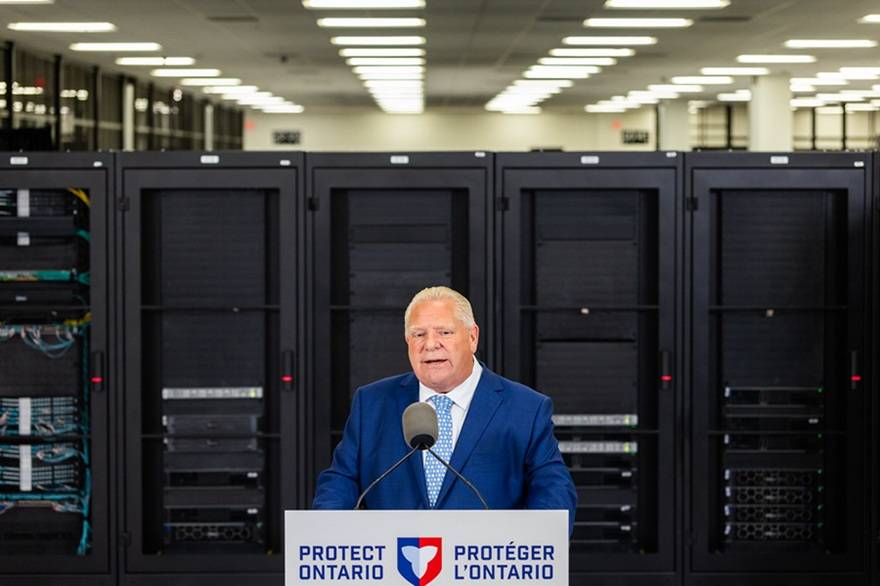
Ontario Premier Doug Ford has warned that the province could halt exports of electricity and critical minerals to the United States if trade tensions escalate, a move that could disrupt America’s supply chains for nickel and uranium.
Doug Ford, the Premier of Ontario, said the province is prepared to restrict or suspend exports of electricity and critical minerals to the United States if ongoing trade disputes between Canada and the U.S. continue to intensify.
Ford made the remarks in an interview with the Associated Press in response to U.S. threats to impose new tariffs on Canadian vehicles and steel. He said that if pressure on Canada’s manufacturing sector continues, Ontario would consider cutting exports of electricity and minerals produced in the province.
Michigan currently receives around 6 percent of its electricity supply from Ontario. Four international transmission lines connect Michigan and Ontario, with a combined transfer capacity of 2,000 megawatts.
Highlighting the importance of Ontario’s electricity exports to the U.S. grid, Ford said: “We provide power for 1.5 million homes and businesses. Every option is on the table, and I will take whatever action is necessary.”
This is not the first time Ontario has used energy and critical minerals as leverage in trade negotiations. In March 2025, Ford imposed a 25 percent surcharge on electricity exported to the U.S. states of Michigan, Minnesota and New York. The move was followed by a U.S. threat to double tariffs on Canadian steel and aluminum; however, both sides later avoided further escalation.
Ontario’s Role in Supplying Critical Minerals
Canada exported approximately $28.8 billion worth of critical minerals to the United States in 2025, accounting for nearly 57 percent of the country’s total critical mineral exports.
Ontario’s Sudbury Basin, home to mining operations by companies such as Vale and Glencore, is one of the world’s largest nickel-producing regions. Nickel produced in this area is used in stainless steel production, electric vehicle batteries, and defense equipment, including military aircraft and naval vessels.
Emphasizing the importance of Ontario’s high-grade nickel for U.S. industries, Ford said: “What are they going to do without the high-grade nickel we send to the United States?”
Cameco’s Blind River Refinery in northern Ontario is also considered the world’s largest commercial uranium refining facility. In addition, Ontario’s Ring of Fire region contains deposits of chromite, cobalt, nickel, copper, titanium and platinum-group elements.
Rising Trade Tensions
The developments came after Canadian Prime Minister Mark Carney stepped back from ongoing trade negotiations with the United States on Friday. Following this, the U.S. imposed 50 percent tariffs on around $20 billion worth of Canadian goods, including vehicles, auto parts and steel.
Carney announced that Canada would begin implementing equivalent retaliatory measures against U.S. tariffs from September 8.
Despite this, Ford stressed that Canada should not abandon negotiations and should continue dialogue. He said: “I have never believed in walking away from the negotiating table. We need to continue negotiations and see where this path leads.”
Potential Impacts on Mineral Markets
At a time when the United States is seeking to reduce its dependence on China for critical minerals, any disruption to Canadian nickel and uranium exports could affect the supply of raw materials for the country’s energy, electric vehicle, steel and defense industries.
Meanwhile, Ontario’s warning highlights how energy and critical minerals have become major components of trade discussions between Canada and the United States. This issue could influence investment decisions, regional trade flows and the security of North America’s critical mineral supply chains.