China Agrees to Buy 10 Million Tonnes of US Coal
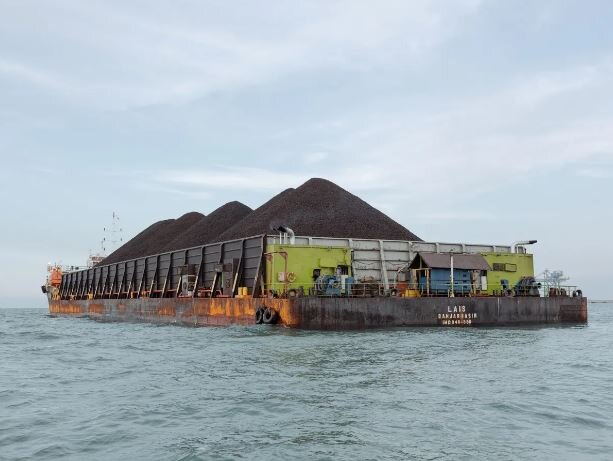
China has committed to importing at least 10 million tonnes of coal from the United States in 2027 and 2028, according to the White House, in an agreement reached following a meeting between the leaders of the two countries aimed at easing trade tensions and facilitating bilateral commerce.
The White House said in a statement that the two sides would also work, under an agreement reached through the US-China Trade Council, to apply more favorable tariff rates to $30 billion worth of non-sensitive goods from each country.
US products eligible for preferential tariffs include agricultural goods, seafood, timber, cosmetics and medical equipment. Chinese consumer products covered by the agreement include small household appliances, toys, seasonal decorations and child car safety seats.
The measures follow a recent meeting between US President Donald Trump and Chinese President Xi Jinping in Washington. Trade has long been a major source of friction between the two countries, with tariffs becoming a defining feature of Trump’s presidency and China among the primary targets of US trade measures.
Coal production has been a key priority for the US president, whose administration has taken steps to revive the industry and strengthen its position as a major energy source. Trump said in June that hundreds of millions of dollars in public funds would be allocated to support the sector.
The agreement with China comes as energy prices in the United States have risen sharply, while electricity costs have also increased amid growing demand from new factories and data centers supporting the artificial intelligence industry.
The White House also said the two countries had established a working group to address market-access barriers in the agricultural sector, which has long been a central issue in bilateral trade negotiations.
Washington and Beijing have also established an Investment Board to examine investment opportunities and address existing barriers. According to the White House statement, the two sides also agreed to continue working on US concerns over supply-chain shortages involving rare earth elements and other critical minerals.
According to Bloomberg, Trump also asked Xi to increase refined petroleum product output to help stabilize global supplies. The two leaders further agreed to continue discussions on emerging technologies, with the next round of talks on artificial intelligence scheduled to take place by November.