China’s top rare earth firms’ profits surge on supply caps
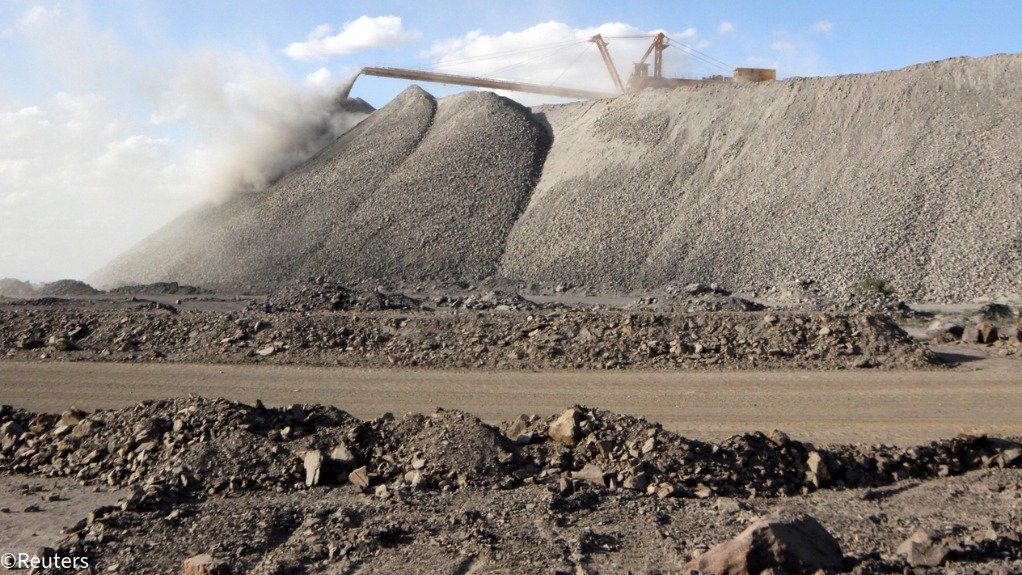
China's two largest rare earths producers are increasing their profitability, fuelled by higher mineral prices and Beijing's efforts to tame industry disorder, while the country keeps using export controls on some rare earths as a diplomatic lever.
The increase in profitability demonstrates the companies have been able to take advantage of higher prices as a result of China’s tight production limits and the country’s position as the world’s dominant rare earths producer. Rare earths such as yttrium and scandium are crucial materials for components in the defence, aerospace and chipmaking sectors.
China Northern Rare Earth (CNRE), China’s biggest light rare earth firm, has more than doubled net profit in the first nine months of 2026 to 3.65-billion yuan ($547.19-million), based on third-quarter results.
China Rare Earth Resources and Technology, the main listed arm of the country’s heavy rare earths champion, also saw profits more than double through the first nine months of the year to 408-million yuan.
Both companies are on pace to beat analysts’ estimates for their full-year profit.
Strong prices for the light rare earths not covered by the China’s April 2025 export controls have offset lower shipments of controlled rare earths, limiting the impact of Beijing’s controls on its national champions.
“Supply-side reforms have helped support prices by improving industry discipline,” Citi analyst Anna Wang said. The higher rare earth prices as a result were the “primary driver” for Chinese rare earth producers’ strong performance, she said.
For decades, China has used rare earth production quotas and spurred corporate consolidation to head off oversupply that has plagued many of its key industries. Rare earths have been prone to violent price swings and the last downturn in 2024 squeezed profits for producers.
In 2024, China only gave production quotas to CNRE and China Rare Earth Resources, down from six companies historically. Wang said that consolidation has strengthened oversight of output.
Since introducing export controls on some types of strategically important rare earths in April 2025, authorities have tightened their grip on domestic production further by closing gaps in the quota system, including by bringing imported ore under the quota.
China’s export controls cover several niche medium and heavy rare earths and the magnets that contain them.
The most common types of rare earth magnets are not subject to export controls, and Chinese customs data show the country exported 48 057 tons of rare earth magnets in the first nine months of 2026, versus 39 826 tons in same months a year earlier and 43 046 tons in the first nine months of 2024.
In China, prices for light rare earth compound neodymium-praseodymium (NdPr) oxide — the main ingredient in rare earth magnets — are at 719 000 yuan ($107 793) a metric ton, according to Shanghai Metal Markets, up 62% from when the controls were introduced, helping offset lower shipments of the controlled items.