North Stanmore mineralogy study boosts rare earth potential
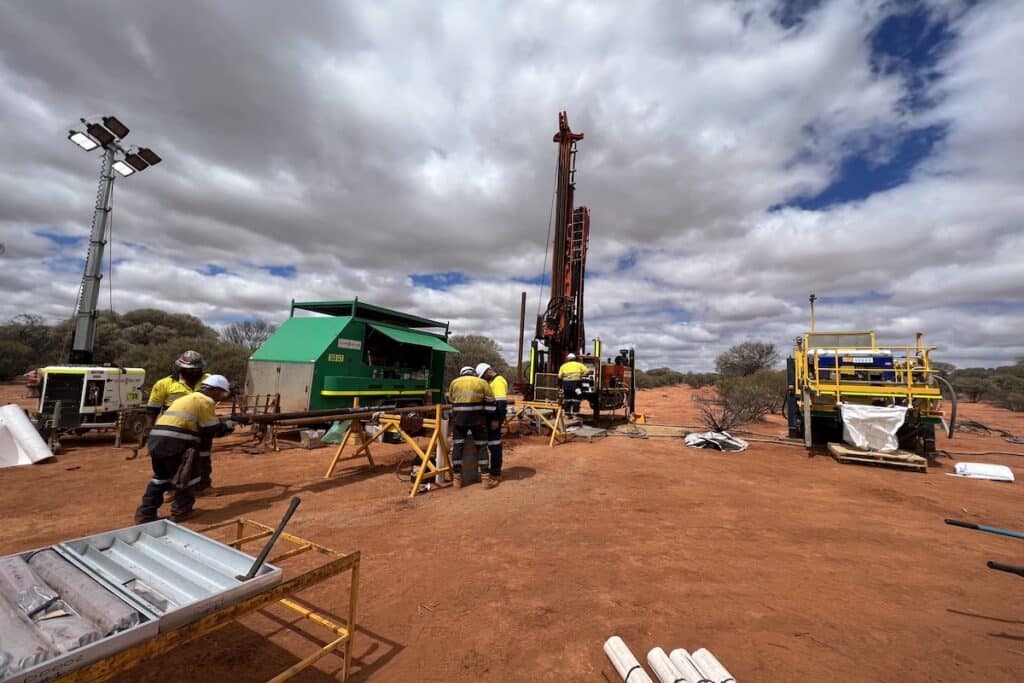
Victory Metals has identified a significant secondary phosphate mineral system at its North Stanmore project in Western Australia, with new analysis showing the deposit hosts most of its high-value heavy and magnet rare earth elements.
Detailed mineral characterisation on concentrate found that 86 per cent of dysprosium and 82 per cent of terbium are contained within churchite and related secondary phosphate minerals, while 88 per cent of praseodymium and 91 per cent of neodymium are hosted within the broader secondary phosphate system.
Victory chief executive officer (CEO) Brendan Clark said the results represented a major milestone for the project.
“The mineralogy demonstrates that North Stanmore combines high value heavy rare earths, including Dysprosium and Terbium, with the key magnet light rare earths Neodymium and Praseodymium,” Clark said.
“Importantly, these elements are predominantly associated with secondary phosphate mineral groups.”
The results come after a TESCAN Integrated Mineral Analyser (TIMA) study was completed of concentrate produced at Victory’s pilot plant using samples from 18 drill locations across the project.
Victory said the findings distinguish North Stanmore from conventional rare earth deposits dominated by primary minerals such as monazite and xenotime, which typically require more intensive processing methods.
Secondary phosphate minerals accounted for 5.93 per cent of the analysed concentrate, compared to just 1.13 per cent for monazite and xenotime-type minerals.
“This is a powerful point of differentiation from primary xenotime and monazite dominated systems,” Clark said.
“Natural weathering has already transformed the original mineral assemblage and redistributed the rare earth value into hydrated secondary phosphates.
“This mineralogical advantage supports our flotation led beneficiation and selective leaching strategy, subject to ongoing testwork, and provides a strong technical platform to advance the Pre Feasibility Study and position North Stanmore as a potential long-term supplier to diversified Western rare earth supply chains.”
The company said the findings would guide ongoing metallurgical studies aimed at confirming leach recoveries, reagent consumption and final processing conditions as part of the North Stanmore pre-feasibility study.
North Stanmore’s mineral resource estimate currently stands at 320.6 million tonnes, including 176.5 million tonnes in the indicated category, with a heavy rare earth oxide to total rare earth oxide ratio of 38 per cent.