Catalyst strengthens Plutonic pipeline with K2 and Trident progress
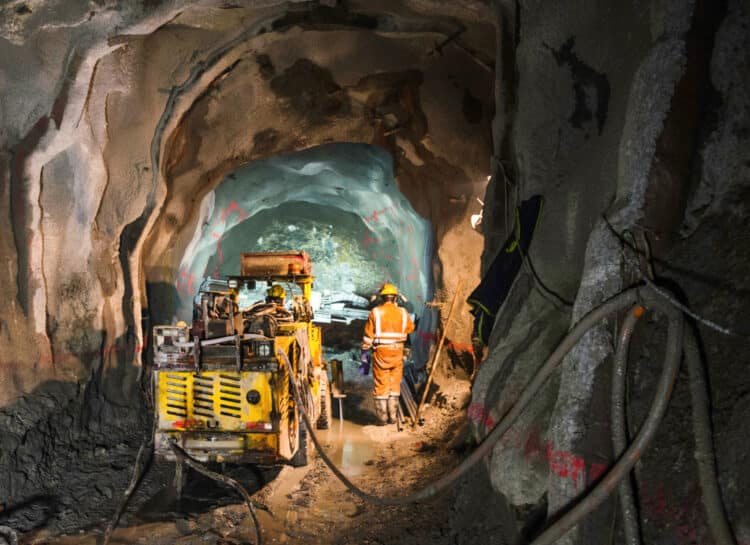
Catalyst Metals’ quarterly results have been highlighted by a fourth mine being brought into production at its Plutonic Gold Belt in Western Australia while underground development advanced at its Trident project.
The June quarter marked the first period in which ore was sourced from four separate operations across the Plutonic Belt – Plutonic Main, Plutonic East, the Trident open pit and the newly commissioned K2 underground mine.
The quarter also saw mining at the Trident open pit completed, while construction of the underground portal progressed, with first stoping ore from the underground operation expected in the first half of 2027.
Catalyst said the developments form part of its strategy to lift production at Plutonic from around 100,000 ounces per year to 200,000 ounces annually over the next decade.
“This June quarter marks the third full year of Catalyst’s ownership of the Plutonic Gold Belt,” company management said.
“Plutonic is a different asset today than when Catalyst acquired it, however the underlying fundamentals of Plutonic have not changed – geological endowment and existing infrastructure.
“The pathway to a more than 200,000-ounce production rate is set. The mines from which this ore will come are in production or under development and the infrastructure required to process it is in place.”
The company has expanded the number of operations feeding its central processing plant, growing from a single mine three years ago to four today, with the Old Highway and Cinnamon projects still progressing through approvals.
Trident remains a major focus for Catalyst’s growth after the company increased the underground resource to 1.1 million ounces at 5.4 grams per tonne gold during the quarter. The project is expected to produce between 60,000-80,000 ounces annually once in full operation.
Exploration success at the Cinnamon deposit has also strengthened Catalyst’s development pipeline. Recent drilling extended the strike length of the higher-grade underground zone to more than 700m, with results including 38m at 10.5 grams per tonne gold and 17m at 21.5 grams per tonne.
“New discoveries such as those at Cinnamon and Trident have re-enforced our view of the geological potential of this belt,” the company said.
“The value of the existing infrastructure and sunk capital, while somewhat tired and suffering from underinvestment, has allowed Catalyst to develop mines faster and at far lower cost.”
Catalyst also completed a study into refurbishing a second processing plant at Plutonic, which could increase processing capacity from the existing two million tonnes per annum to between 2.5 million and three million tonnes annually.
The company finished the quarter with cash and bullion holdings of $331 million and remains debt free, while annual gold production of 103,761 ounces came in within guidance.