US-focused uranium producer Peninsula Energy withdraws this year’s guidance as it resolves temporary flow rate issue
Peninsula Energy has withdrawn its production guidance for 2026 owing to slower-than-expected wellfield ramp-up activity at the Lance uranium project, in Wyoming.
The company continues to advance the project’s in-situ recovery (ISR) operations but says reduced flow rates in the year led to the production withdrawal decision.
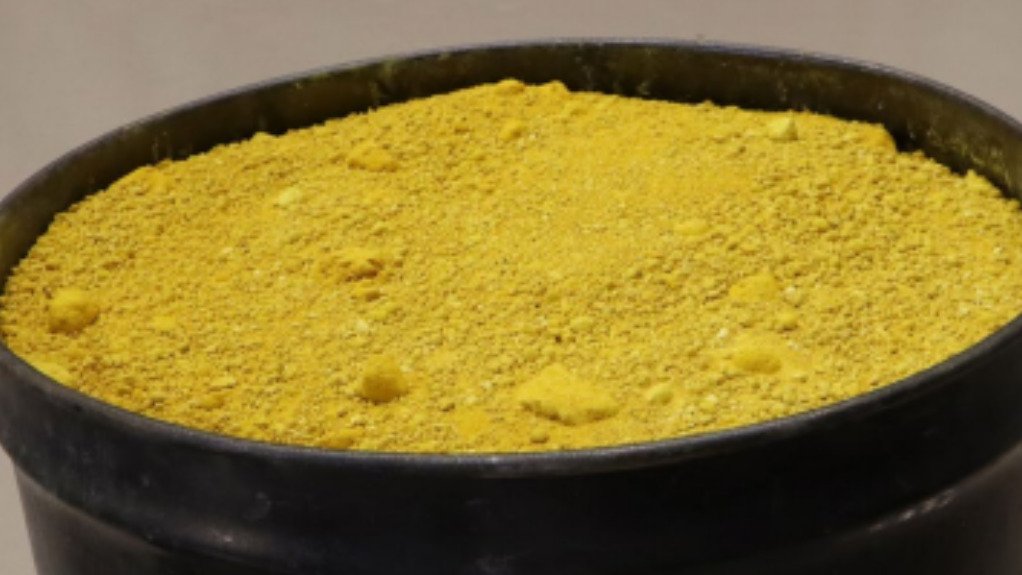
Peninsula expects to deliver between 500 000 lb and 600 000 lb of triuranium octoxide, or yellowcake, next year.
The issues this year mostly relate to Mine Unit 1 and 3 at the mine, as well as wellfield chemistry refinement in some header houses at Mine Unit 4.
The company’s recently secured $56-million funding package and cash balance of $47-million put the company in good stead to continue production ramp-up at the project.
Notably, the Lance project represents the first commercial-scale application of industry-leading low-pH ISR uranium recovery in the US, which required Peninsula to develop new operational expertise and recruit and train a new specialised workforce.
The company says recent operational performance continues to validate the effectiveness of the low-pH recovery process, with positive leach kinetics having been achieved in the first header house at Mine Unit 4.
Peninsula is confident that the identified issues are temporary and are unlikely to impact production beyond this year. “We remain highly encouraged by the results from header house 14, which has recorded average head grades of between 50 mg and 60 mg per litre of triuranium octoxide during May to June – which is more than double the historical average during alkaline leach operations in Mine Unit 1 and 2.”
Until recently, the company was confident that it would meet 2026 production guidance of between 400 000 lb and 500 000 lb of triuranium octoxide, however, it has taken longer than expected to resolve flow rate issues associated with gassing.
Meanwhile, Peninsula says derisking activities prior to the development of Mine Unit 5 remain on track, with a final investment decision expected before the end of the year.
The company has also started transitioning wellfield drilling activities to an owner-operated model, which will result in reduced drilling costs and improved operational flexibility for current and future wellfield development.
“The long-term outlook for the Lance project remains compelling. With one of the largest permitted ISR uranium resources in the US, an established two-million-pounds-a-year-capacity central processing plant and increasing demand for secure, domestically-sourced nuclear fuel supply, we believe Lance is well positioned to benefit from strengthening uranium market fundamentals over the medium to long term,” concludes MD and CEO George Bauk.