Head of Zanjan Mining House Warns of Widespread Mine Closures
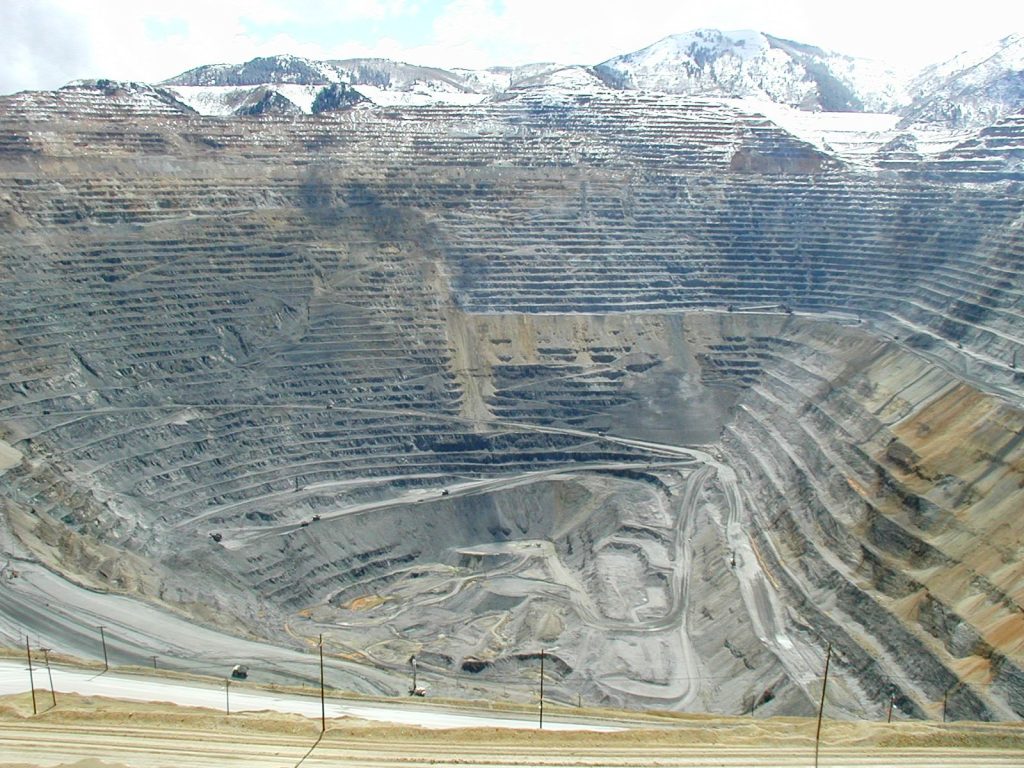
The head of the Zanjan Mining House has warned of structural crises, fuel shortages, a 700% increase in the price of blasting materials, and the threat of widespread closures affecting the province’s 220 active mines, despite Zanjan’s strategic position in the production of lead, zinc, and silica.
Armin Selsani said on Wednesday that Zanjan possesses significant existing and untapped mining potential and holds a highly strategic position in the sector. He noted that the Angouran Mine, one of the largest mines of its kind in the world, highlights the province’s strategic importance in Iran’s mineral supply chain. However, despite this strong potential, the province’s mines are facing serious structural and operational challenges.
Selsani identified the liquidity crisis and financial difficulties as among the most pressing concerns for mine operators in the province, adding that the roots of the crisis include the failure to collect outstanding receivables.
The head of the Zanjan Mining House said that although mineral products—particularly in the steel and iron ore value chain—are being sold, financial difficulties faced by purchasing industries have delayed payments to mining companies or made it impossible to cash issued checks.
He also pointed to the impact on the payment of government royalties, stating that the liquidity crisis has created challenges for mine operators in meeting their royalty obligations.
Selsani said the proposed solution is to utilize the banking sector’s capacity to address the issue through measures such as issuing bank guarantees for mining licenses, extending existing guarantees, and providing working capital financing.
He identified the supply crisis of blasting materials as another major challenge putting pressure on the mining sector, noting that a 700% increase in the price of blasting materials since the beginning of the year has disrupted the technical and economic balance of mining operations, with production costs now exceeding the selling price of extracted minerals.
Selsani stated that, with the exception of the Angouran Mine—which benefits from special government mechanisms due to its large scale—all other mines are facing severe restrictions in securing blasting materials, effectively disrupting extraction operations.
The head of the Zanjan Mining House added that operational and infrastructure challenges, combined with various cost-increasing and restrictive factors, have significantly raised production costs.
He also referred to the sharp reduction in diesel fuel allocations for mines over the past two months, along with rising fuel prices, saying that the situation has created serious difficulties for open-pit mining operations.
Selsani said that aging mining machinery, together with rising fuel and labor costs, has significantly reduced mine productivity, warning that if the current situation continues, it will lead to widespread mine closures.
He stressed that such closures would ultimately affect downstream industries, including iron, silica, and industrial mineral processing plants, placing the entire value chain under serious pressure. He warned that unless special attention is given to the sector and financial and administrative support is provided for fuel and blasting material supplies, Zanjan Province will face a crisis of mine closures followed by the shutdown of dependent industrial facilities.