Nordic business alliance weighs expanding into critical minerals
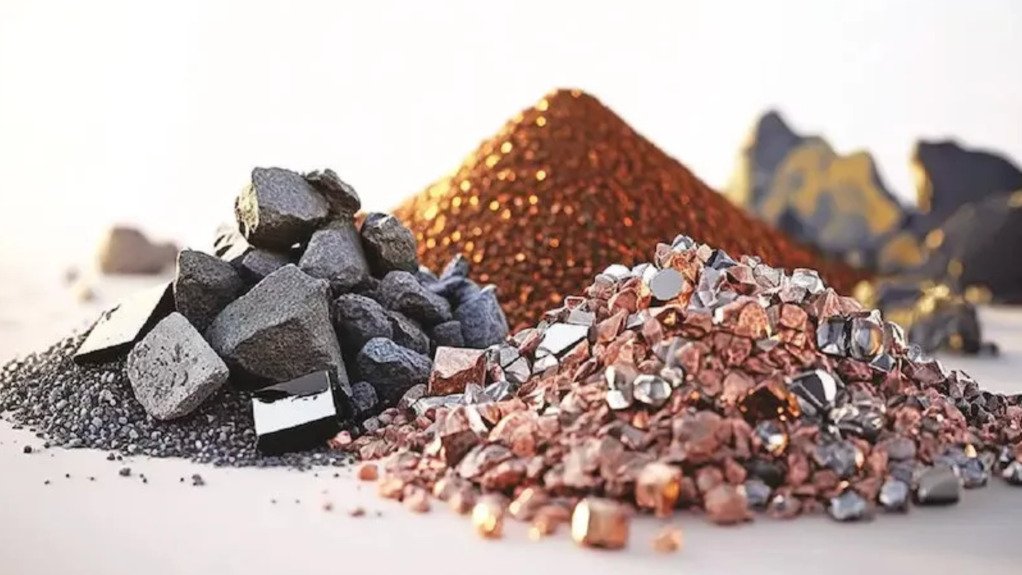
Nordic Compass, a competitiveness-focused business alliance, is considering branching out into critical raw materials to build up the region’s capacity to process minerals needed by European industry.
The network involving of some of the region’s biggest companies and investors is mapping out concrete actions across capital markets, deep technology, defence and energy, and is now considering adding a fifth work stream, according to its chairman, Jyrki Katainen, a former Finnish PM.
“There has been lots of interest around critical raw materials,” Katainen told Bloomberg. “It’s a European issue and we have an advantage that we have lots of mines in the Nordic countries, but also lots of mining companies and technology companies.”
The comments come as Europe seeks to reduce its dependence on imported critical materials for industries ranging from defence and clean energy to electric vehicles and advanced technology. The European Union has set a target of producing at least 40% of its annual consumption of strategic raw materials domestically by 2030, while limiting reliance on any single third country to 65% at any relevant stage of the supply chain.
China dominates the critical-minerals supply chain at the processing stage, ranking as the leading refiner for 19 of 20 strategic minerals tracked by the International Energy Agency, with an average market share of about 70%. The Nordic region, by contrast, holds the vast majority of Europe’s known deposits but lacks much of the processing capacity needed to turn those resources into materials for industry.
It’s “not mining as such, but processing the minerals we are digging from our soil,” Katainen said.
Nordic Compass, inspired by Mario Draghi’s landmark report on European competitiveness, plans to present its broader vision at a summit in Gothenburg in November. Its proposals are still being developed and could change. Among the ideas being explored are a Nordic scale-up fund aimed at helping fast-growing companies access larger pools of regional capital and closer integration of the region’s stock markets, including a potential unified Nordic exchange.