Algoma advises of 65% third-quarter shipment drop from unplanned outage
Having experienced an unplanned turbine outage at its Lake Superior Power facility, Algoma Steel expects a 65% drop in its third-quarter steel shipments.
The company is a leading Canadian producer of steel plate and hot rolled steel products, with total steel shipments for the three months ended September 30 expected to be 145 000 t, compared with 419 000 t in the same quarter last year.
Algoma anticipates its adjusted earnings before interest, taxes, depreciation and amortisation to be negatively impacted by between $10-million and $20-million, which would have been more had it not been for the benefit of a capacity utilisation adjustment of about $50-million.
A replacement turbine has subsequently been installed at Lake Superior, which is operating at full power, according to CEO Rajat Marwah.
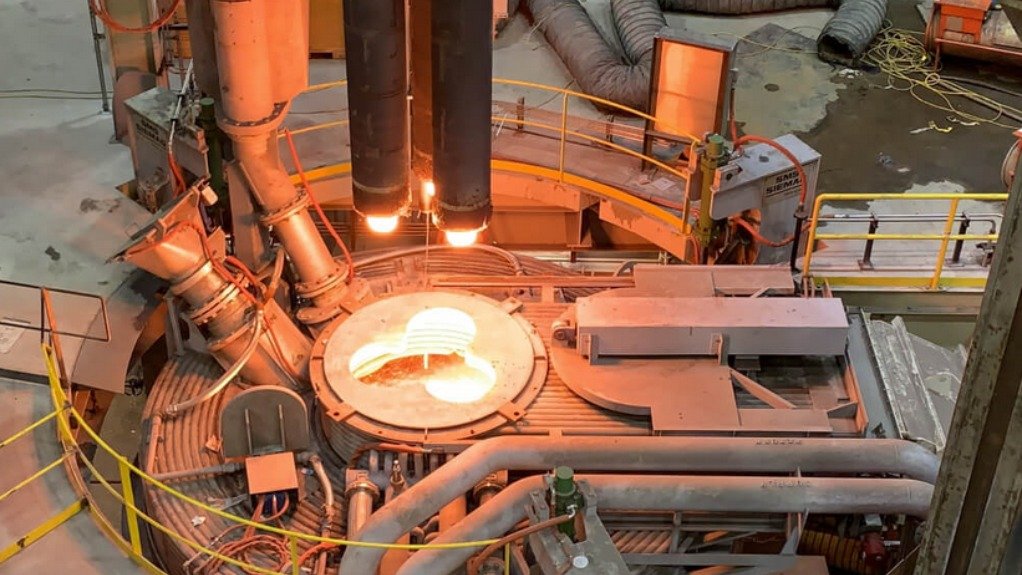
“We appreciate the support and responsiveness of the Independent Electricity System Operator and Hydro One as we worked to restore reliable power and maintain operational continuity during this period. All electrical equipment on Electric Arc Furnace (EAF) Unit Two has been tested. We expect first heat in the coming days as we progress toward production and shipments from Unit Two in the fourth quarter,” he states.
CFO Michael Moraca adds that the unexpected outage period afforded the company time to accelerate planned maintenance and commissioning activities at EAF Unit Two, which will help reduce future planned downtime.
“With power fully restored, planned outages behind us, our second furnace nearing commercial operation and steel prices improving, we believe that we are well-positioned as we enter the final phase of our transformation,” Marwah notes.
With Algoma’s transition to EAF steelmaking and a modernised plate mill, the company is redefining how steel is made in Canada.
Powered by Ontario’s clean electricity grid, this transformation represents one of the largest industrial decarbonisation initiatives in North America and is expected to reduce carbon emissions by approximately 70% once fully transitioned.