Indonesian nickel miner group says 2026 production quota additions to be granted selectively
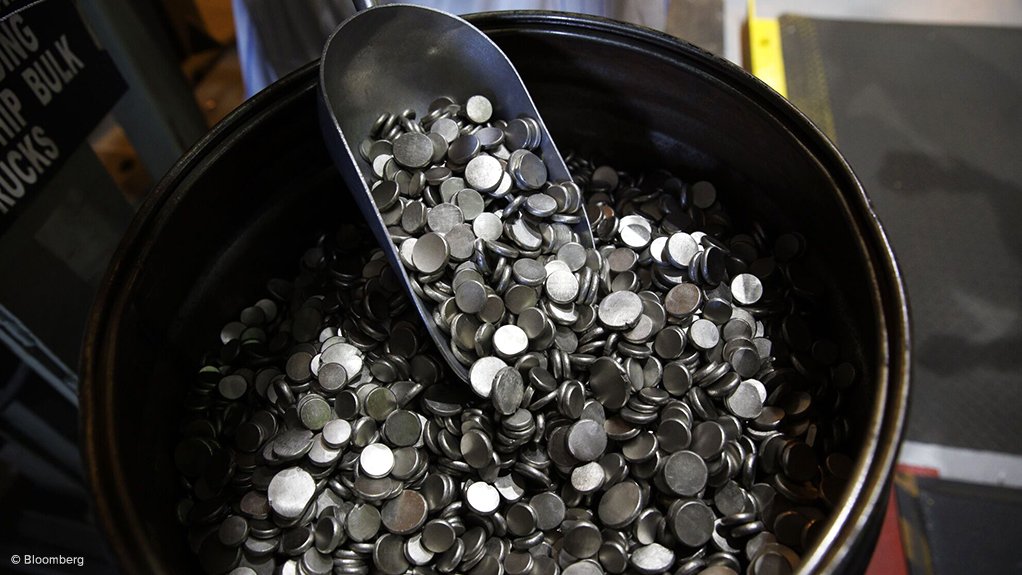
The Indonesian government will grant additional nickel ore production quotas selectively and only to smelters that are running low on raw materials, an industry association said on Thursday, as the market awaited clarity on how this year's quotas would be adjusted.
Overall nickel ore production quotas will remain at around 260-million to 270-million tons, compared to 379-million tons in 2025, the Indonesia Nickel Miners Association said in a statement.
From January to July, domestic nickel ore consumption reached 142.96-million tons, around 53% to 55% of the annual quota.
The Indonesian government sets annual production quotas for all of its minerals.
The association recommended that miners should be allowed to produce another 30-million tons of nickel ore this year as a strategic buffer, bringing the total to around 300-million tons.
The additional production is required to meet demand from new smelting capacity expected to come online in 2026. Indonesia has around 80 nickel smelters, and if they all operated at full capacity, they would consume around 315-million tons of ore a year.
The association also called on the government to be more transparent when deciding production quotas.
“Without a transparent, rules-based framework for revisions, the global market will continue to overreact to rumours or decisions concerning individual company quotas, as evidenced by the LME price volatility seen earlier in August,” the association’s Secretary General Meidy Katrin Lengkey said.
The Energy and Mineral Resources Ministry did not immediately respond to queries about additional production volume, but reiterated that the government aims to safeguard the sustainability of Indonesia’s resources and support prices.
“Naturally, we also take into account the needs of the domestic smelting industry and primary energy supplies, while managing supply and demand to stabilise commodity prices,” ministry spokesperson Dwi Anggia said.