Impact of Red Sea Developments on Cost Management and Scheduling of Saudi Arabia’s Steel Supply Chain
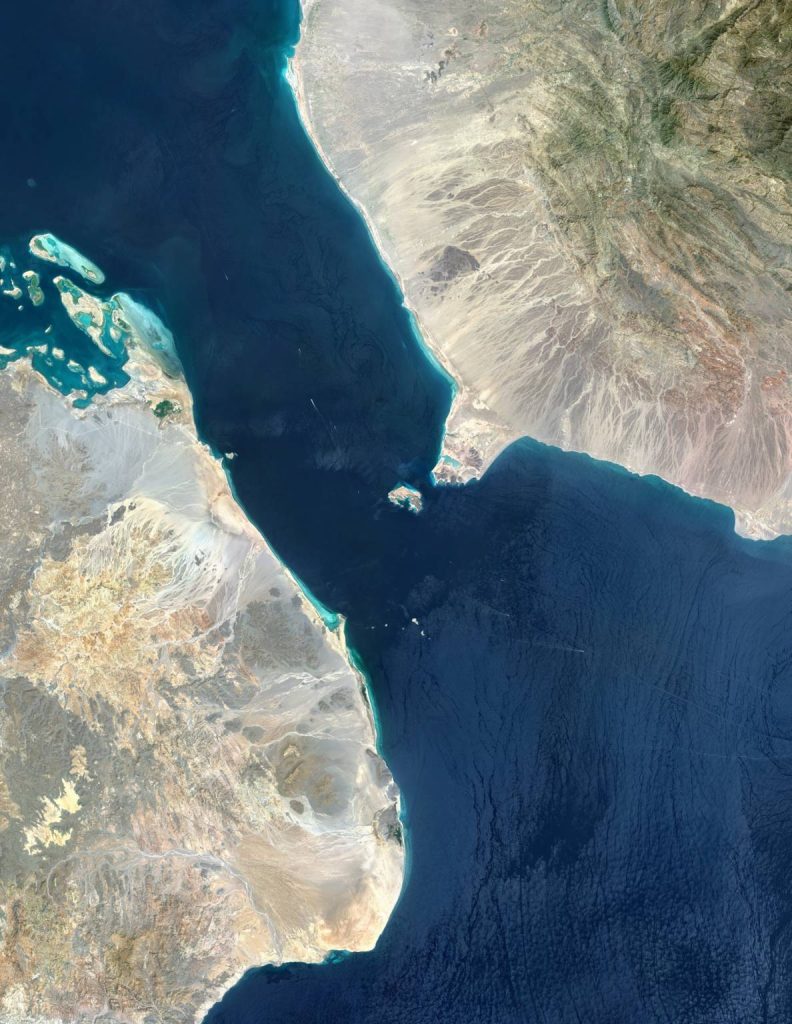
Recent reports regarding the Yemeni Houthi movement's decision to impose restrictions on the movement of ships associated with Saudi Arabia have drawn the attention of global steel markets. This situation, which specifically affects vessels traveling from Asia to key destinations such as King Abdullah Port and Jeddah Port, necessitates the adoption of flexible logistical strategies by industry stakeholders.
According to trade data, Saudi Arabia imported 3.1 million tons of steel products in the first quarter of 2026. China, with a share of 1.2 million tons, plays a pivotal role in meeting the country’s steel requirements. China’s export portfolio to Saudi Arabia includes a wide variety of products, including 667,000 tons of hot-rolled coil, galvanized products, and semi-finished items such as slabs and billets. Any disruption to the normal flow of these vessels can be regarded as a factor prompting transport companies to readjust logistical schedules and optimize alternative routes.
Currently, several vessels carrying steel cargoes are navigating maritime routes, and the precise monitoring of their status is being prioritized by logistics companies. Simultaneously, industry players are closely tracking war risk insurance indicators to assess operational costs, aiming to ensure the continuity of supply through more accurate forecasting. Insurance rates, which had reached reasonable levels in mid-June, are now once again under the scrutiny of risk analysts.
In the short term, the primary focus is on managing “time” and “ancillary costs” of transportation to ensure stable supply to the Saudi domestic market. However, analysts predict that if conditions persist, traders’ flexibility in utilizing alternative routes, along with strengthening trade cooperation with Mediterranean and European regional partners, will become an effective strategy for maintaining balance in the steel supply chain.