EU Carbon Rules Put Türkiye’s Scrap-Based Steel Model to the Test
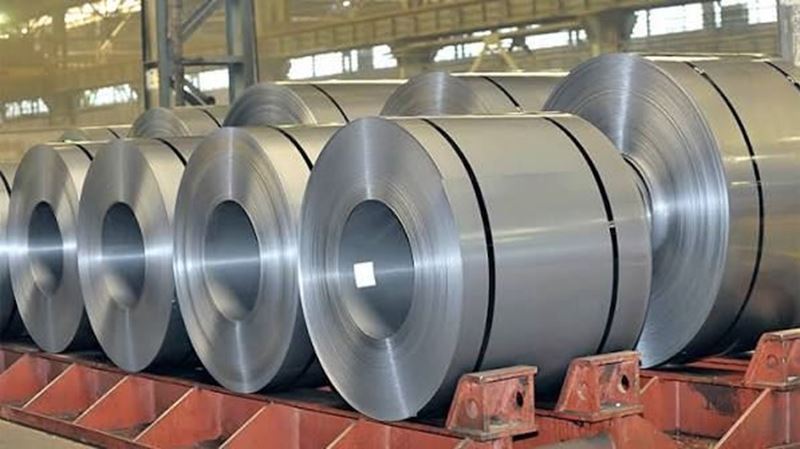
Steel Industry in Türkiye is entering the European Union’s carbon border era with an advantage many other countries lack, most Turkish steel is already produced through electric-arc furnaces using scrap rather than coal-intensive blast furnaces.
These advantages come with their own weakness.
High Stakes in the European Market
Türkiye produced 38.1 million tonnes of crude steel in 2025 and has remained the world’s seventh largest steel producer, according to Turkish Steel Producer association. Output rose another 8.1% year on year in the first half of 2026.
Turkish Steel Exporters’ Association figures show that the EU bought 7.9 million tonnes of steel from Türkiye in 2025, around 40% of country’s steel exports under the association’s definition.
That makes the EU’s Carbon Border Adjustment Mechanism particularly important for Turkey. CBAM entered its definitive phase on 1 January 2026, requiring EU importers of steel and other covered products to report verified embedded emissions and progressively purchase carbon certificates linked to EU carbon prices.
The Low-Carbon Advantage
About 70% of Türkiye’s steel production uses electric-arc furnaces, according to ÇİB. This puts Türkiye in a strong position compared to its competitors. This method produces nearly 75% less CO2 than coal-based steelmaking.
Scrap Reliance and Global Overcapacity
The issue comes with Türkiye’s low carbon advantage heavy dependence on imported scrap. The country is the world’s largest scrap importer, around 20% of global scrap imports, according to TÇÜD.
Meanwhile, cheap imports and global overcapacity add more pressure, Türkiye imported a record 18.9 million tonnes of steel in 2025 (including 4.5M from Russia and 4.2M from China), while global excess capacity is projected to grow from 640M to 745M tonnes by 2028.
Green Capex and the Path Ahead
The need to spend heavily on renewable electricity, efficiency and lower-carbon technologies adds to the pressure. Türkiye used only 61.6% of its steelmaking capacity in 2025, this highlights the financial challenge of founding green investment in an oversupplied industry.
Türkiye has adopted its first Climate Law and national ETS, while key producers like Erdemir, İsdemir, Çolakoğlu, and Tosyalı invest heavily in renewables.
For Turkish steel CBAM could become a test of whether the industry can turn scrap-based production model into a lasting advantage, before higher scrap costs, Chinese competition and the rising cost of decarbonization narrow that lead.