Turkey Targets Global Rare Earth Supply Chains with Beylikova Expansion
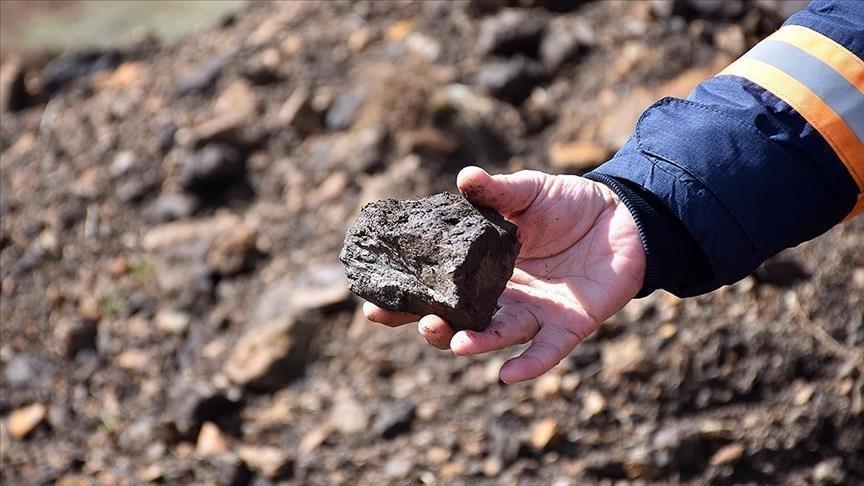
Türkiye is planning an expansion of its Beylikova rare earth elements project in Eskişehir as part of a broader national strategy to develop domestic processing capacity and ultimately enter the high-value permanent-magnet supply chain.
State-owned mining enterprise Eti Maden currently operates a pilot facility at Beylikova with the capacity to process approximately 1,200 tonnes of ore per year. The Turkish Ministry of Energy and Natural Resources confirmed that the next phase involves building an industrial-scale facility designed to process 570,000 tonnes of ore annually, yielding roughly 10,000 tonnes of rare-earth oxides (REO).
Massive Resource Potential and Critical Magnet Elements
Government data identifies Beylikova as a 694-million-tonne complex mineral resource containing barite, fluorite, thorium, and rare-earth-bearing minerals. Within this deposit, estimates point to approximately 12.5 million tonnes of rare-earth oxides.
Ten of the 17 rare earth elements have been targeted for economic recovery at the site. These include key light rare earths like neodymium (Nd) and praseodymium (Pr), which are critical inputs for high-performance permanent magnets used in modern technologies.
Beyond Mining: Downstream Separation and Magnet Production
Türkiye’s ambitions are not limited to raw extraction. Energy and Natural Resources Minister Alparslan Bayraktar stated that the country aims to establish full separation and refining capabilities, supplying refined materials directly for permanent magnets used in electric vehicle (EV) motors, wind turbine generators, and defense applications.
Technical Bottlenecks and Environmental Hurdles
Despite these ambitious plans, Beylikova has not yet achieved commercial-scale rare earth separation or magnet manufacturing. Transitioning from a pilot plant to an industrial complex presents substantial hurdles in chemical processing, separation technology, high-purity refining, project financing, and environmental compliance.
In addition, because the ore body naturally co-occurs with thorium, managing radioactive process waste and establishing long-term tailings storage present critical regulatory and technical challenges.
Challenging China’s Global Market Dominance
The Beylikova project arrives at a moment of growing geopolitical urgency as Western and emerging economies seek to reduce reliance on China’s near-monopoly over critical minerals. According to the International Energy Agency (IEA), China accounted for roughly 91% of global refining for magnet-grade rare earths and 94% of global sintered permanent-magnet production in 2024.
If Türkiye can successfully navigate the industrial scale-up from raw extraction to commercial separation and magnet production, Beylikova could establish the country as an important non-Chinese supplier in the global critical-minerals landscape.
By AmirSam Ghadessi