Transforming Metal Scrap into a Strategic Resource in the Green Economy
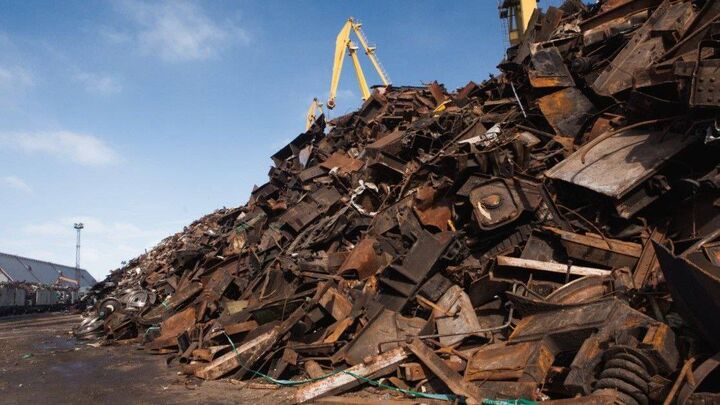
The metal recycling sector is witnessing the transformation of metal scrap into a strategic resource for green steel production as global industries shift toward decarbonization.
The global metal recycling sector is undergoing an unprecedented structural transition. Metal scrap, which for years was considered low-value industrial waste, has now become a strategic and highly valuable resource, to the extent that it can be described as the “new gold” of the emerging low-carbon economy.
This significant shift is driven by the global industrial transition toward decarbonization, as the world’s major economies seek to achieve the goal of net-zero emissions by 2050.
The main mechanism behind this transformation is the rapid shift from carbon-intensive primary production through blast furnaces and basic oxygen furnaces (BF-BOF) toward circular, scrap-based production through electric arc furnaces (EAF).
While traditional blast furnaces require large quantities of virgin iron ore and metallurgical coal for production and typically incorporate only 15 to 30 percent scrap, electric arc furnace (EAF) operations are almost entirely based on recycled ferrous scrap and use 90 to 100 percent recycled feedstock as their primary input.
This industrial evolution has been accompanied by a wave of “regulatory protectionism”, as countries increasingly recognize that securing a reliable, high-quality domestic supply of metal scrap is a prerequisite for competitiveness in green metals production.
As a result, international trade in metal scrap is shifting from a free-market commodity-based model toward a highly restricted landscape subject to strict regulations and requiring complex technical standards.