Price Tsunami in the Red Metal Market; Deutsche Bank Forecasts $22,000 Copper
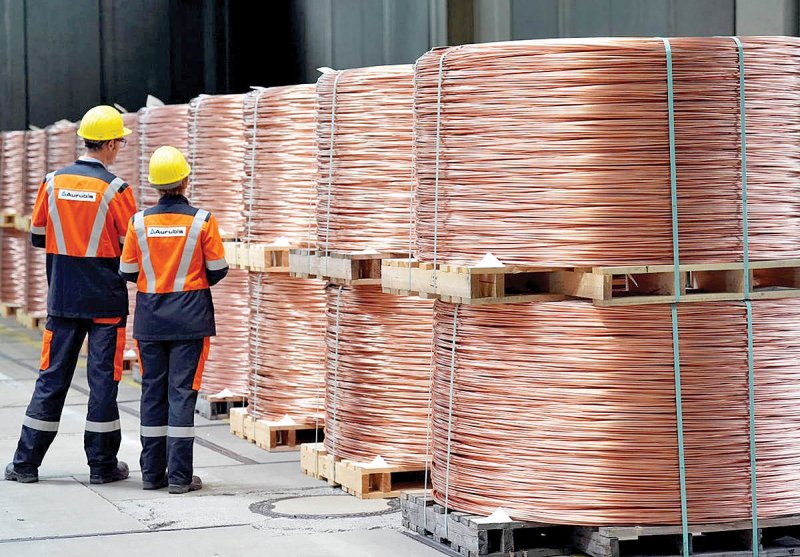
In its new report, Deutsche Bank predicted that with the continued accumulation of strategic reserves by China and the United States, the price of copper per ton will reach $22,050 by the second quarter of 2027. The analysts warn that the monopolization of reserves by these two powers will confront the world with serious restrictions on access to this metal by 2028.
Deutsche Bank’s estimate indicates that if the current stockpiling trend continues, by the end of 2026, approximately 71% of global copper inventories could be affected by reserve accumulation activities in the US and China; a situation that could limit other consumers’ access to this metal.
China has increased its strategic copper reserves over the past decades. In the US, the possibility of imposing tariffs on copper imports has also fueled the transfer of a significant volume of this metal to warehouses in the country. The continuation of this trend could reduce available supply in other global markets.
World on the Verge of Copper Access Restrictions
According to Deutsche Bank’s analysis, if the current stockpiling trend continues, industrial consumers outside the US and China may face serious restrictions in accessing copper by the end of 2028.
However, the realization of this scenario is not certain. A sharp increase in copper prices could make the use of aluminum attractive as a more economical substitute. Aluminum has lower electrical and thermal conductivity than copper, but according to Deutsche Bank analysts, copper prices have not yet reached a level that would justify its widespread substitution.
On the other hand, even if the US government refrains from imposing new tariffs, the return of a significant portion of copper stored in the country to the global market is not guaranteed.
Copper futures in the US trade at a premium relative to the London Metal Exchange. Since the London Metal Exchange also has registered warehouses in the US, a reduction in this price differential might merely result in copper being moved between different warehouses within the US rather than leaving the country.
Under such conditions, even without a decline in global production, limited available supply for other markets could lead to continued pressure on copper prices.