Operational complexity tops global mining risks as South African sector confronts prolonged uncertainty – EY
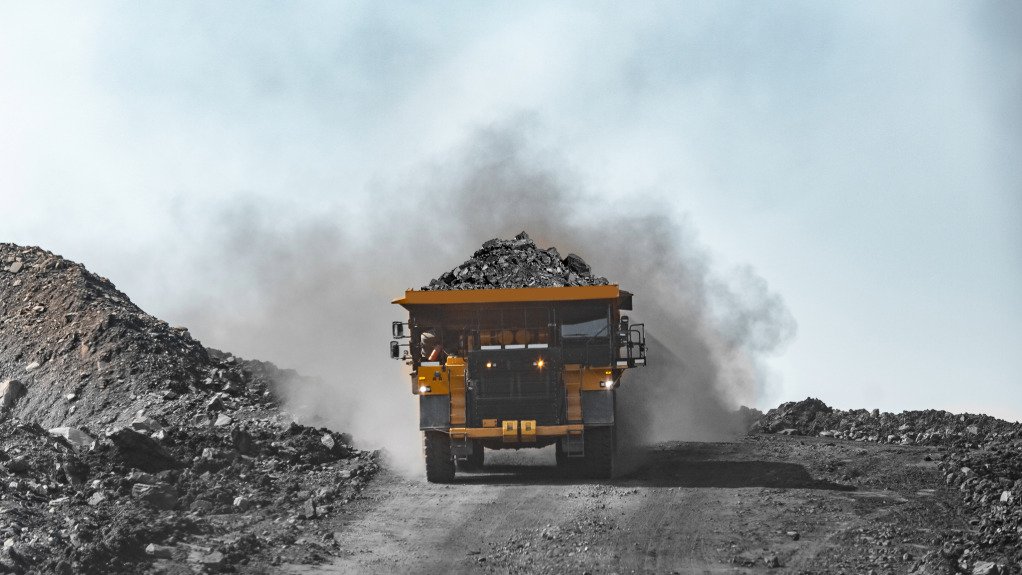
In its ‘Top 10 Business Risks and Opportunities in Mining and Metals’ report, consulting firm EY warns that aging assets, selective capital and disrupted supply chains are forcing producers – including those in South Africa – to rebuild flexibility or risk losing continuity.
In the report, EY argues that uncertainty is no longer a temporary headwind for mining and metals; it is the operating environment. Operational complexity remains the sector’s number one business risk for 2027, with capital rising to second and supply chain re-entering at third.
The findings, based on responses from 400 senior mining and metals executives worldwide, arrive as South African producers of platinum-group metals, gold, manganese, coal and iron-ore navigate the same structural pressures on top of domestic constraints in energy reliability, logistics and community relations.
For a sector that still accounts for a significant share of export earnings, employment and fiscal revenue, the message is clear: continuity can no longer be taken for granted, says EY.
“Mining has always been complex, but the degree of operational complexity is increasing as mines age, reserves deplete and new orebodies become harder to mine and process.
“Geopolitical volatility, changing trade flows and more selective capital are making long-term decisions more difficult still. The important thing is not to wait for this uncertainty to disappear – it won’t.
“Companies must reassess the assumptions underpinning strategies, portfolios and capital decisions and build greater flexibility into how they operate. Those that move early will be the winners,” says EY Africa mining and metals leader Wickus Botha.
The report also indicates that reserve-grade variability ranks as the second-most significant constraint on throughput (29% of respondents), behind only regulatory compliance delays.
Materials handling, labour availability, processing capacity, transport and equipment reliability all sit between 24% and 26%.
As fewer mining faces can deliver the required grade and characteristics, EY explains that weather events, outages or logistics failures become harder to absorb.
“Conventional reserve statements can mask this loss of optionality – a reality especially acute in mature, deep-level operations,” says EY.
Capital, meanwhile, is available but increasingly selective by commodity and jurisdiction. The report notes that 44% of respondents are pursuing original-equipment-manufacturer finance, while 39% are seeking sovereign wealth funds and government-backed partnerships.
“The question is no longer simply whether funding exists, but which structure and partners best preserve control and flexibility when conditions change.”
Moreover, the report notes that supply-chain risk has returned to the top three as conflict, trade restrictions and concentrated processing disrupt both critical inputs and routes to market.
EY notes that miners are responding primarily with visibility technology (53%) and higher inventories (52%), yet far fewer are diversifying suppliers or forming strategic partnerships.
Geopolitics, which rounds out the top five, is felt across capital allocation, processing location and customer access. Public financing commitments for critical minerals more than quadrupled between 2023 and 2025 to about $65-billion.
Rising costs rank fourth. Strong prices for some commodities have not offset the structural cost of lower grades, aging infrastructure and more expensive inputs. Productivity efforts continue to be undermined by organisational silos.
Meanwhile, the report notes that innovation has slipped from the top ten, but technology remains essential to managing complexity. Greater connectivity, third-party integration and AI adoption are also expanding the attack surface.
Cybersecurity enters the ranking at ninth, with EY research finding that 67% of mining and metals assets sit in the “vulnerability zone” of below-average visibility and controls. Only 18% of respondents report full visibility over industrial control systems.
The EY top ten mining risks and opportunities for 2027 are operational complexity; capital; supply chain; rising costs; geopolitics; carbon; sustainability; changing business models; cybersecurity; and licence to operate.
“Mining companies are already adapting through more selective capital allocation, greater supply-chain resilience and new approaches to managing operational complexity.
“The challenge now is to build enough flexibility into business decisions to respond as conditions change – without losing sight of the longer-term investments in people, productivity, digital and innovation that will determine who absorbs the next shock,” says Botha.