The Lithium Triangle and the Production Puzzle; Why Have South America’s Vast Resources Not Yet Reached the Global Market?
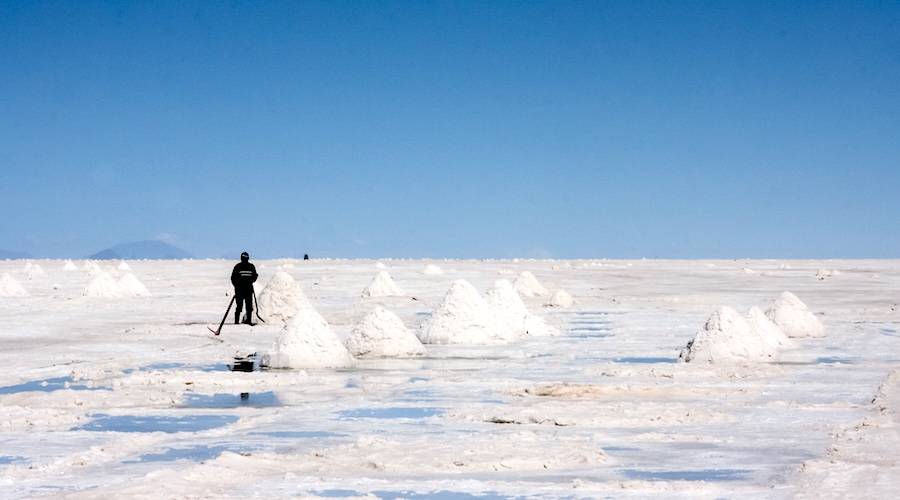
Although the "Lithium Triangle" in South America, holding 43% of the world's identified resources, has the potential to become the main supplier to the electric vehicle market, new geological studies show that complex barriers lie between "geological wealth" and "commercial supply."
José Cabello, a prominent geologist, in his latest research published in the journal Andean Geology, has analyzed 43 salt flats (salars) in Argentina, Bolivia, and Chile, examining the hidden angles of this industry. Based on 2026 statistics, these three countries hold 64 million tons of the total 150 million tons of identified lithium in the world; a figure that is stunning at first glance but in practice faces fundamental challenges.
Technical Challenge: Resources Not Yet “Reserves”
In his analysis, Cabello emphasizes that there is a fundamental difference between “resources” and “reserves.” While the high volume of lithium has been recorded in the soil of this region, structural differences in the chemical composition of brines and existing impurities prevent the extraction of all these resources at economic cost.
According to this expert, unlike hard-rock deposits, the lithium resources of this region are located in a dynamic and underground hydrological system; an issue that not only makes exploration and sampling difficult but also confronts the assessment of extractable volume with a high margin of error.
Environmental Constraints and Emerging Technologies
In addition to geological challenges, “water scarcity” in the arid environments of the central Andes has become the biggest bottleneck for project development. Water resource management and the balance between “brine extraction” and “freshwater consumption” have now become one of the main variables in selecting processing technology.
Meanwhile, “Direct Lithium Extraction” (DLE) technology has been proposed as a glimmer of hope for developing low-yield deposits. Cabello believes that DLE, by reducing water needs and processing time, can change the development strategy of these regions, provided it is applied in accordance with the local conditions of each basin.