Brazil Potash has welcomed progress made on a piece of Brazilian legislation called Profert Bill PL 699/2023, which was approved by the Brazilian Senate last week to modernise Brazil's agribusiness infrastructure and reduce its dependency on international supply chains.
Brazil Potash explains that the new “Profert” fertilizer industry development programme and legislation creates a tax incentive that, when combined with a previously announced Superintendence of the Manaus Free Trade Zone, has the potential to reduce Brazil Potash’s construction costs for the Autazes project by up to $190-million.
The cost savings relate to reduced federal taxes and amounts to a 7% cost reduction for the overall initial capital expenditure estimate of $2.5-billion for the project.
The Bill authorises the Brazilian government-backed development bank BNDES investment agency to fund the construction of fertiliser projects and creates a domestic-content floor for fertiliser sold in Brazil, starting at 2% in 2027 and rising to 10% by 2037.
The issue stems from Brazil importing 96% of the potash it consumes and having spent $15-billion on foreign fertiliser in 2025 alone.
Profert is intended to reduce Brazil’s reliance on imported fertiliser by combining three instruments: a tax credit for domestic fertiliser production, a BNDES credit line to finance sector infrastructure, and a mandatory domestic-content floor for fertiliser sold in Brazil.
Brazil Potash says potash presents different supply constraints compared to nitrogen and phosphate, given that potash currently depends on a single conventional mine in production in Brazil, with gradually depleting reserves and it only covering 3% of domestic consumption.
“Profert alone will not solve Brazil’s potash dependency, however, for the first time, it will create a market mandate for production to happen in Brazil, while reducing the capital required for a project such as Autezes to come online,” says Brazil Potash subsidiary Potássio do Brasil president Sérgio Leite.
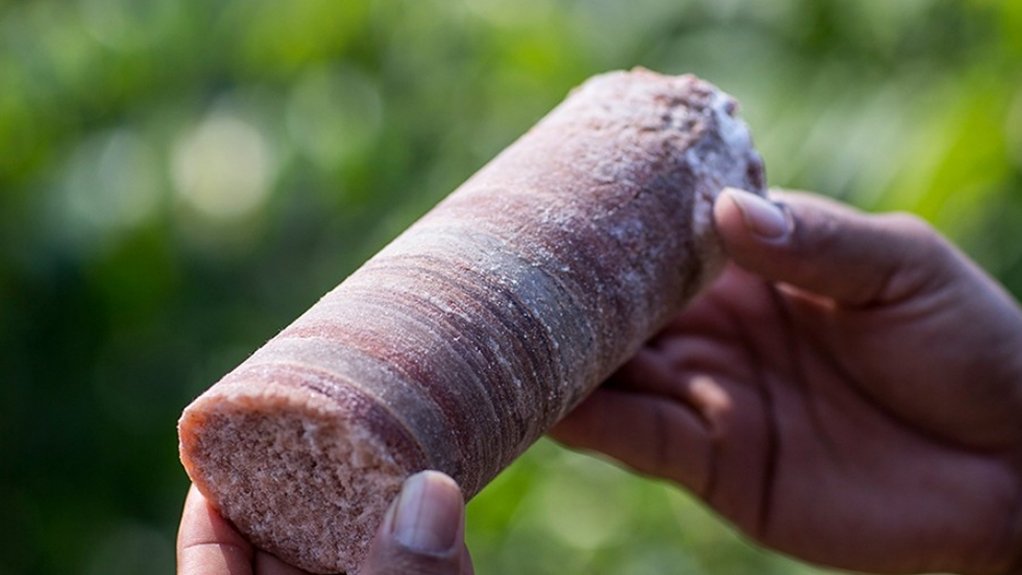
The Autezes project, in Amazonas, is the largest-scale potash project in development in the country, with a projected capacity of 2.4-million tons a year once commercialised. This will be equivalent to six times Brazil’s entire current output of potash.
About 91% of the Autezes project’s future production is already committed under long-term take-or-pay sales agreements with companies called Amaggi, Keytrade and Kimia.
The Autezes project has long been subject to legal and environmental disputes regarding Indigenous consultations and ancestral land use. Recent court decisions have largely ruled in favour of Brazil Potash and its plans for the project, though procedural opposition from prosecutors persists.