Hormozgan Mines: A Strategic Bastion of Iran’s Economic Defense
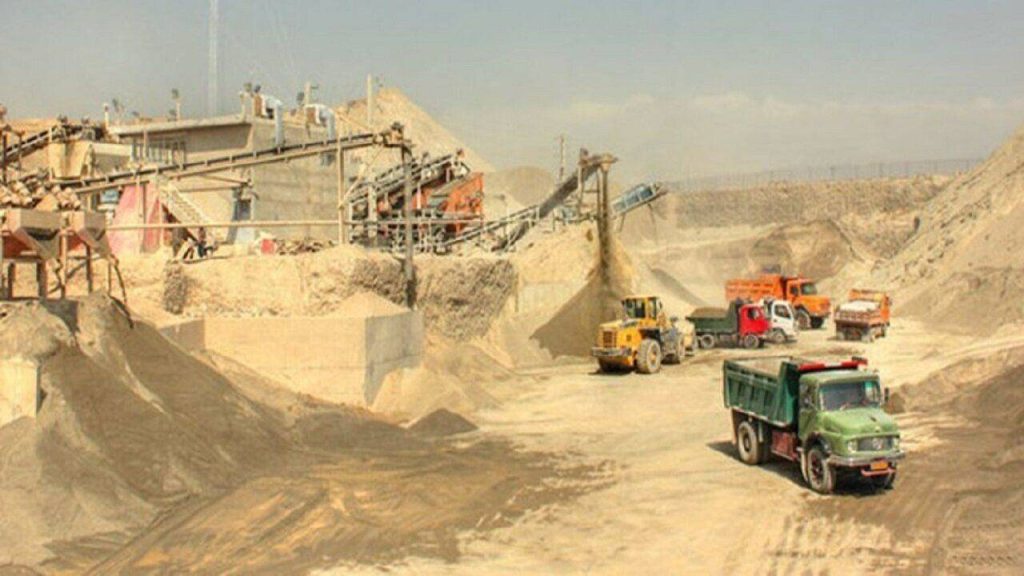
Hormozgan's 2.2 billion tons of mineral reserves, supported by 300 active mines, have transformed the province into a strategic bastion of Iran's economic defense and industrial self-sufficiency.
Hormozgan Province today goes beyond being a commercial and industrial hub, taking on a new role as a strategic bastion of the country’s economic defense, relying on its remarkable diversity of mineral resources. Realizing this role requires an urgent shift away from the sale of raw materials toward the industrial value chain, so that this dormant wealth can become a strong shield against external pressures.
The province, which has always been considered the forefront of Iran’s maritime trade due to its proximity to open waters, is now undergoing a transformation in its role amid economic sanctions. With more than 300 active mines, Hormozgan is no longer merely a transit bottleneck, but is considered one of the main pillars of supplying raw materials and achieving industrial self-sufficiency in Iran.
Mineral Diversity: A Treasure at the Intersection of Zagros and Makran
Hormozgan benefits from a unique underground treasure at the intersection of two major geological zones. Its mineral diversity, ranging from iron ore, gypsum, salt and chromite to 20 other types of minerals, has made the province one of the most mineral-rich areas in the hemisphere.
Statistics show that Hormozgan, with 20 different types of minerals ranging from iron ore and gypsum to dolomite, manganese, marble and decorative stones, has remarkable potential for developing processing industries. This diversity provides a suitable foundation for preventing the sale of raw materials and creating added value domestically.
Mining-sector analysts believe that despite the annual extraction of 23 million tons of mineral materials, there is still a significant gap between the province’s “geological potential” and its “actual share of national wealth.” If mining was previously viewed as secondary to oil revenues, sanctions have now completely transformed this perspective.
At a time when insurance costs and security risks have created challenges for maritime trade, Hormozgan’s mines have been elevated from merely a source of revenue to strategic bastions of economic defense. Relying on these domestic resources is a practical solution for stabilizing production and employment in a region standing on the front line of economic pressures.
So far, 990 billion rials have been invested in the province’s mining sector, and efforts are underway to significantly increase this figure in the coming months by optimizing processes. This is intended not only to preserve the current 5,706 jobs, but also to create broader employment opportunities for the province’s youth.