Neu Horizon plans drilling on large unexplored Swedish uranium target
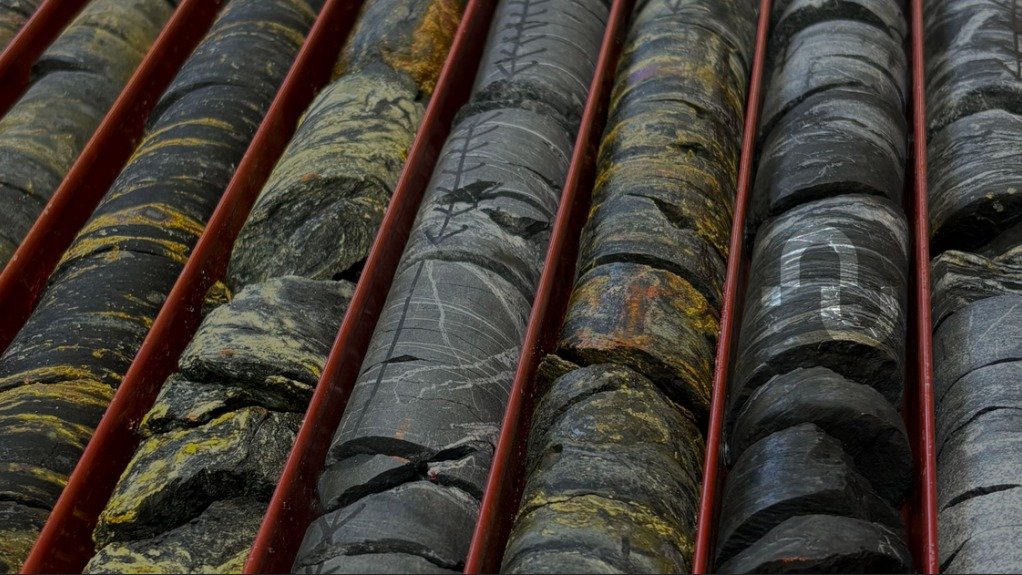
Neu Horizon Uranium has defined a large, drill-ready uranium target at its Storvallflon prospect, in Sweden.
Five independent datasets, including airborne electromagnetics, drone magnetics, ground radiometrics, radon gas and rock chip geochemistry, all point to a more than two-kilometre-long conductor carrying the strongest surface uranium response the company recorded all year.
The company’s 3D modelling indicates the black shale on site is folded into an antiform with only its crest exposed, meaning the surface anomaly may understate the target.
Neu Horizon plans to undertake a fully funded 4 000 diamond drill programme in the first quarter next year.
It reports that ground spectrometer responses commonly exceeded 500 parts per million (ppm) uranium and reach up to 1 800 ppm uranium, which is markedly higher than at every other shale-hosted prospect and known deposit the company surveyed this year.
For context, Sweden lifted a uranium mining ban on January 1 this year and removed a municipal veto in July. This means the ground has seen no or very little systemic uranium exploration since the mid 1980s, with Neu Horizon having been the first company to apply modern airborne electromagnetics and 3D inversion to it.
Neu Horizon had A$8.6-million of cash at the end of September.
CEO Conrad Ocker says Storvallflon is exactly what the company told investors it would go looking for when it listed on ASX: a large, structurally complex black shale target that modern geophysics could delineate and nobody had drilled.
“Every one of the five datasets collected this summer lights up over the same two-kilometre-long conductor, and the uranium response at surface is the strongest we recorded over black shales anywhere in Sweden this year. The 3D modelling is the part that excites our geologists most. It suggests we are looking at the crest of a fold, with the conductive shale continuing down dip on every side.
“If that interpretation holds, the surface anomaly understates the size of the target. Drilling is the only way to find out, and we intend to start in the first quarter of 2027. We are chasing grade. The high degree of deformation the geology experienced at Krokom is why we picked the ground,” Ocker explains.
He adds this is the same ingredient that turned typical black shale into the Ronneburg high-grade uranium deposits in Germany.
“Our next job is to test that idea with the drill bit. With A$8.6-million in cash we are fully funded for this programme and the two-year Swedish work plan in our prospectus. Shareholders can expect a steady flow of results from the summer campaign over the coming weeks, followed by drilling.”