Steel Industry Has a Bright Future with Productivity Management and Export Development
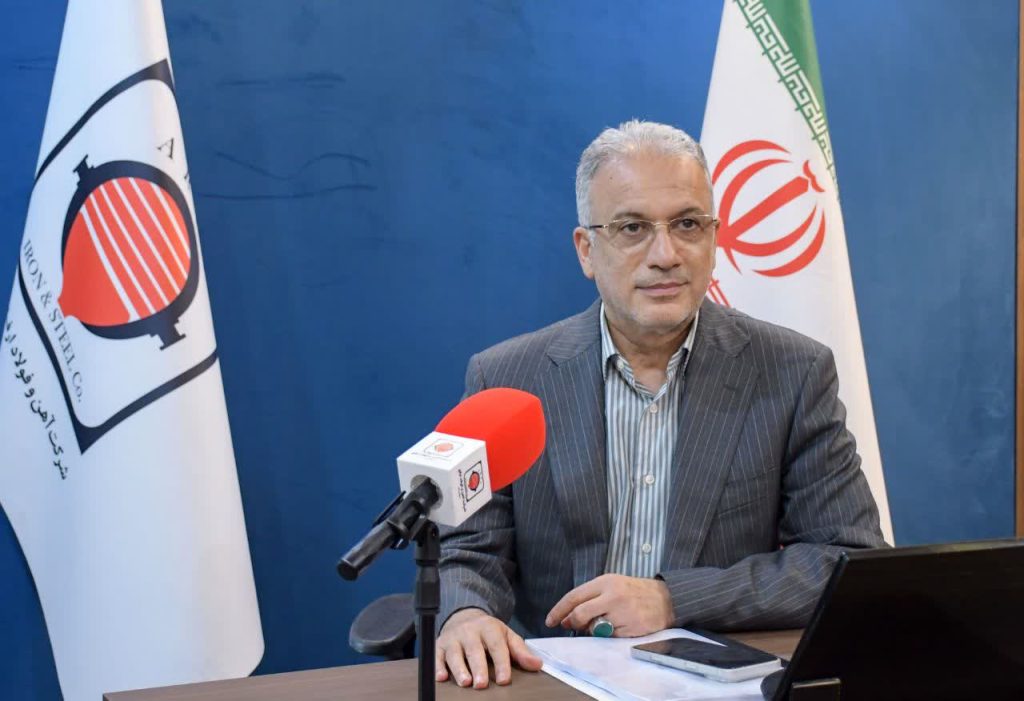
The Deputy Head of IMIDRO, emphasizing the necessity of increasing productivity, developing export markets, and utilizing modern technologies, described Iran's Aref Iron and Steel Company as a cohesive, development-oriented organization with targeted management, and stated: Leading companies can, by continuing this approach, play an effective role in enhancing the position of Iran's steel industry in domestic and international markets.
on the sidelines of a joint meeting between Hossein Afshari, Deputy Head of IMIDRO, and Hassan Asgharzadeh, CEO of Aref Iron and Steel Company, along with a group of the company’s deputies and senior managers, the most important challenges and opportunities facing the country’s steel industry, IMIDRO’s plans in the areas of energy, exports, and sustainable development, as well as the performance of Aref Iron and Steel Company, were reviewed.
Performance Evaluation of Aref Iron and Steel Company
The Deputy Head of IMIDRO, in evaluating the performance of Aref Iron and Steel Company, stated: The reports presented indicate that this company is a cohesive organization with a clear, purposeful, and planning-based management approach.
Hossein Afshari added: In a situation where many industrial units in the country are facing challenges such as energy constraints, raw material supply, market fluctuations, and rising production costs, maintaining production trends, improving productivity, and implementing development plans require precise management and coordination across all organizational departments.
He cited maximum utilization of existing capacities and the continuous efforts of managers and employees to improve performance as notable features of Aref Iron and Steel Company and said: Record production levels, development of export markets, improvement of logistics processes, financial discipline, and attention to human capital show that this company has not limited its view solely to production but is pursuing comprehensive development.
The Deputy Head of IMIDRO continued: Companies like Aref Iron and Steel, by continuing this approach and focusing more on productivity, technology, and market development, can play a more effective role in the future of the country’s steel industry.
Reducing the Steel Industry’s Vulnerability to Energy Imbalances
Afshari, speaking about IMIDRO’s plans to mitigate the effects of energy constraints on the steel industry, said: Energy has today become one of the most important issues for the country’s industry, and its effects directly impact the production and planning of industrial units.
He added: The steel industry requires stable access to electricity and gas to continue its operations, and resolving this issue requires a national perspective, long-term planning, and coordination among responsible bodies.
The Deputy Head of IMIDRO identified increasing energy efficiency, developing dedicated power plants, utilizing renewable energy, and creating more reliable infrastructure as among the solutions to reduce the steel industry’s vulnerability.
Referring to the extensive investments of major mining and steel industries, he stated: These industries have a significant share in the country’s economy, employment, and foreign currency earnings; therefore, energy decisions should be made in a way that causes the least damage to production.
Afshari emphasized: IMIDRO, with an expert approach, pursues the industry’s concerns to provide the groundwork for strengthening production, developing exports, and maintaining the position of Iran’s steel industry.
Exports; A Necessity for Iran’s Steel Industry
The Deputy Head of IMIDRO, emphasizing the position of exports in the steel industry’s plans, said: Exports for this industry are no longer a choice but a necessity. The country’s production capacities are such that in addition to meeting domestic demand, effective and sustainable presence in regional and international markets must also be pursued.
He added: The experience of companies like Aref Iron and Steel shows that with precise knowledge of target markets, diversification of transportation routes, and improvement of logistics infrastructure, many existing constraints can be managed.
Afshari emphasized: Successful exports are not limited to producing high-quality products but also include supply chain management, customer knowledge, reducing transportation costs, maintaining quality, and creating competitive advantage.
He continued: IMIDRO supports the development of exports and strengthening the presence of Iranian companies in target markets, and believes that conditions should be provided for producers to participate more powerfully in regional and global competitions.
Sustainable Development; Linking Production and Environmental Requirements
The Deputy Head of IMIDRO, explaining the organization’s approach to the environment and sustainable development, said: Industrial development without attention to environmental requirements is meaningless; however, a balance must also be struck between environmental protection and the economic realities of production, because sustainable production and value creation provide the foundation for implementing many environmental programs.
He added: IMIDRO supports plans that, while maintaining production capacity, reduce the environmental impact of industrial activities. Optimal use of by-products, material recycling, waste management, and utilization of modern technologies are among the most important axes of the steel industry’s movement toward sustainable development.
Afshari cited the review of the plan to use steel slag in construction projects at Aref Iron and Steel Company as an example of the company’s innovative approach to industrial waste management and optimal use of existing capacities.
Economic Decisions; Essential for Maintaining Steel Competitiveness
He further spoke about solutions for maintaining the competitiveness of the steel industry amid rising production costs and declining profit margins for companies, stating: The steel industry’s economy has faced serious changes in recent years. Rising costs of energy, raw materials, transportation, and other production inputs have placed significant pressure on steel companies, and it is essential that decisions related to this industry be made based on economic realities and production conditions.
The Deputy Head of IMIDRO added: In policymaking for this sector, a balance must be struck between market regulation, consumer protection, and maintaining incentives for investment and production.
Afshari continued: Sustaining production, preserving employment, developing investment, and increasing the steel industry’s competitiveness require expert decisions, policy stability, and a long-term vision.
He emphasized: IMIDRO, through continuous interaction with mining industry stakeholders, strives to create an environment in which steel companies, while maintaining their competitive capacity, can continue on the path of development, investment, and a more prominent presence in global markets.