Concerns Grow Over Global Copper Supply Constraints as Smelter Activity Declines
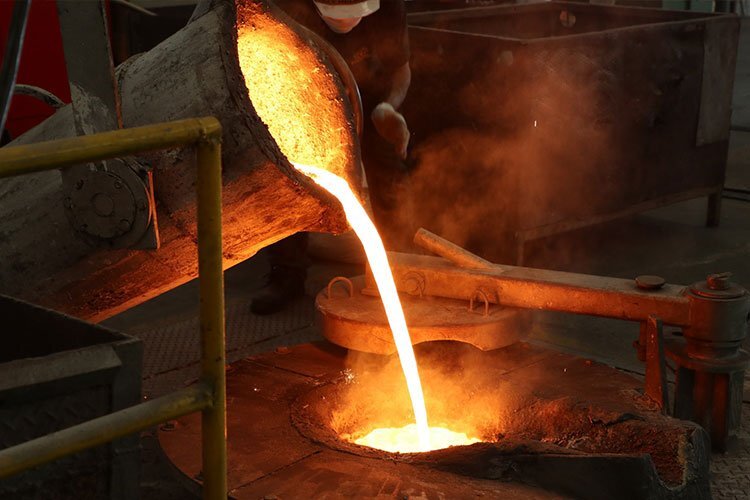
Satellite monitoring data show that 16% of global copper smelting capacity was inactive during the second quarter of this year, a trend that has intensified following the historic decline in treatment and refining charges (TC/RCs) and raised serious concerns about tightening supply and growing imbalances in the global copper market.
New data indicate that declining smelter activity has become an increasingly influential factor in the global copper market. Among the world’s major producers, Chile recorded the sharpest reduction in activity, with 25.4% of its smelting capacity remaining idle.
At the same time, treatment and refining charges have fallen to historic lows, rendering operations at some smelters economically unviable. As a result, Japan’s Onahama Smelting & Refining Co. has announced that it will suspend concentrate processing until early 2027.
Tariff Uncertainty and Record U.S. Copper Inventories
Elsewhere in the market, uncertainty surrounding potential U.S. tariffs on refined copper imports continues to weigh on trading activity.
Meanwhile, copper inventories on the COMEX exchange have surpassed 630,000 metric tons, reaching a record high. Part of these inventories has been accumulated as a hedge against the potential impact of future U.S. tariff policies.
Geopolitical Developments Influence the Market
Reports suggesting a possible easing of geopolitical tensions have supported gains in both base metal prices and the shares of major mining companies.
However, ongoing maritime security threats in the region continue to pose significant risks to the supply of sulfur and other key inputs required for the copper production chain, keeping supply-side concerns elevated.