Declining Profit Margins in the Steel Chain Threatens Investment and Exports
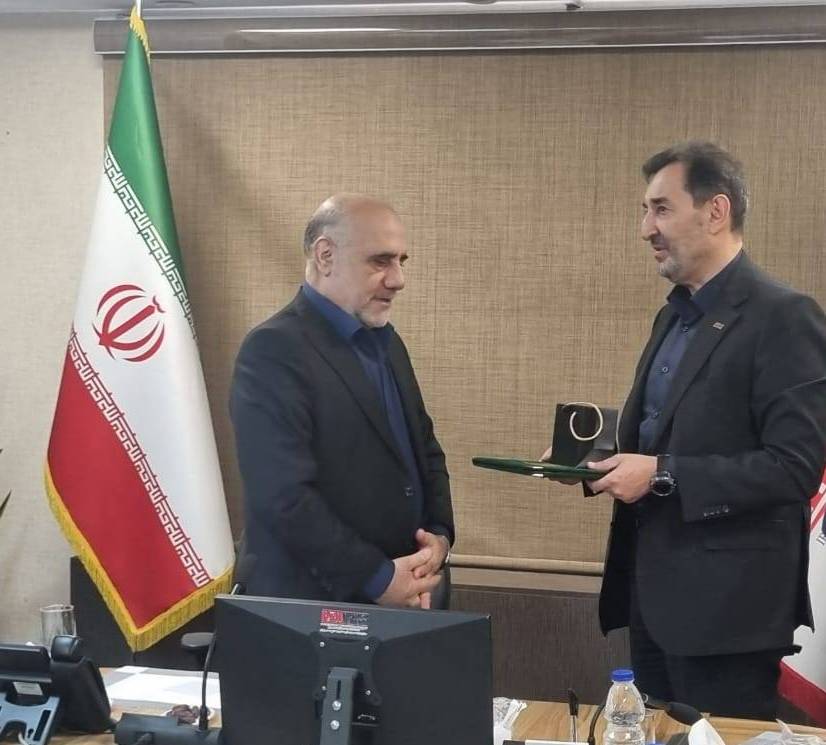
Samiei-Nejad, Deputy Minister of Industry, Mine and Trade and Head of IMIDRO's Board of Directors, in an interactive meeting with the Head of Faraja's Economic Security Police, outlined the effects of energy constraints and rising production costs on the performance of mining and mineral industry companies, warning about the declining profit margins in the steel chain and its consequences for investment, development, exports, and the country's foreign currency earnings, and emphasizing the necessity of pursuing and removing the obstacles facing this sector.
In this meeting, held with the presence of Rahimi, Head of the Economic Security Police of the Islamic Republic of Iran’s Law Enforcement Command (Faraja), the most important issues and challenges of the mining and mineral industries sector—particularly energy constraints, their impact on companies’ production, sales, and exports, and the necessity of safeguarding investment capacities in the country’s steel chain—were examined.
Mohammad Masoud Samiei-Nejad, while outlining IMIDRO’s most important measures in recent years, presented a report on activities carried out in the reconstruction and renovation of sections damaged by the imposed war, as well as the follow-up of issues and problems of mining and mineral industry companies under energy constraint conditions.
Referring to the impact of electricity and gas constraints on the activity of production units, he cited reduced production capacity and declining company sales and exports as among the consequences of these conditions and discussed IMIDRO’s follow-ups to remove obstacles and mitigate the effects of these constraints.
The Head of IMIDRO’s Board of Directors, also referring to the importance of maintaining profit margins in the country’s steel chain, stated: “Given energy constraints and rising costs related to its supply, the declining trend of profit margins in the steel chain can create serious concerns for the custodians of this sector.”
He added: “Due to the breadth of its activities, the country’s steel chain enjoys high job-creation capacity, and the continuation of constraints and declining profitability will challenge the groundwork for investment and the implementation of development plans. This can subsequently lead to reduced production and exports, declining foreign currency earnings, and limited job-creation capacity in the country.”
Economic Security Police’s Emphasis on Supporting Production and Pursuing Industry Problems
Later in the meeting, Rahimi, Head of Faraja’s Economic Security Police, expressing appreciation for the efforts of Samiei-Nejad and the IMIDRO team, emphasized the importance of the industry and mining sector in the country’s economic future.
Referring to the strategic role of industry and mining in economic growth, he stated: “Foresight, forecasts, and the economic roadmap show that the economic condition of the Islamic Republic of Iran is seriously dependent on the industry sector and the flourishing of industries and mines.”
Rahimi, stating that employment and entrepreneurship are closely linked to community security, added: “Wherever economic activities, employment, and production flourish in the country, the ground for crimes such as theft and other social harms decreases. In fact, economic prosperity, employment, and production create security, and the expansion of these capacities will bring public comfort and tranquility.”
The Head of Faraja’s Economic Security Police stated: “This organization, with the aim of establishing security and tranquility for economic actors and the people, will always stand alongside entrepreneurs and economic jihadists in the industry and mining sector.”
He also, referring to the government’s efforts during the 12-day war and the third war, praised the measures taken in the areas of livelihood, entrepreneurship, and production by the Minister of Industry, Mine and Trade and the staff of that ministry, saying: “The growth and continuity of activities in the industry and mining sector under wartime conditions and despite the pressures of the American-Zionist enemy demonstrate the effort and struggle of the actors in this sector, and these measures must be appreciated.”
Rahimi further announced the readiness of Faraja’s Economic Security Police to inform, coordinate, and pursue the issues and problems of the industry and mining sector—particularly the matter of electricity and gas supply constraints—in interaction with other relevant bodies and decision-making authorities.