Merafe ferrochrome hits 61 000 t year-to-date mark as smelter ramp-up proceeds
The Johannesburg Stock Exchange-listed Merafe’s attributable ferrochrome production from the Glencore Merafe Chrome Venture of 61 000 t was 46% down in the nine months ended September 30 compared with the corresponding nine months of 2025.
The decline in production was primarily attributable to the suspension of production at the venture’s Boshoek smelter from May 1 last year and at Wonderkop smelter from May 31 last year, Merafe outlined in a release to Mining Weekly.
Following the conclusion of new electricity pricing agreements with South Africa’s State-owned electricity utility Eskom in June, there was a September restart of operations at Boshoek and an October restart at Wonderkop.
Now, the ramp-up of production at both smelters is expected to continue through the end of the fourth quarter on December 31.
The negotiated pricing agreements with Eskom have given full effect to the 62c/kWh tariff approved by the National Energy Regulator of South Africa for the venture, as well as for Samancor Chrome.
The revised negotiated pricing agreements’ three-year electricity pricing framework is said to be enabling greater operational stability and flexibility.
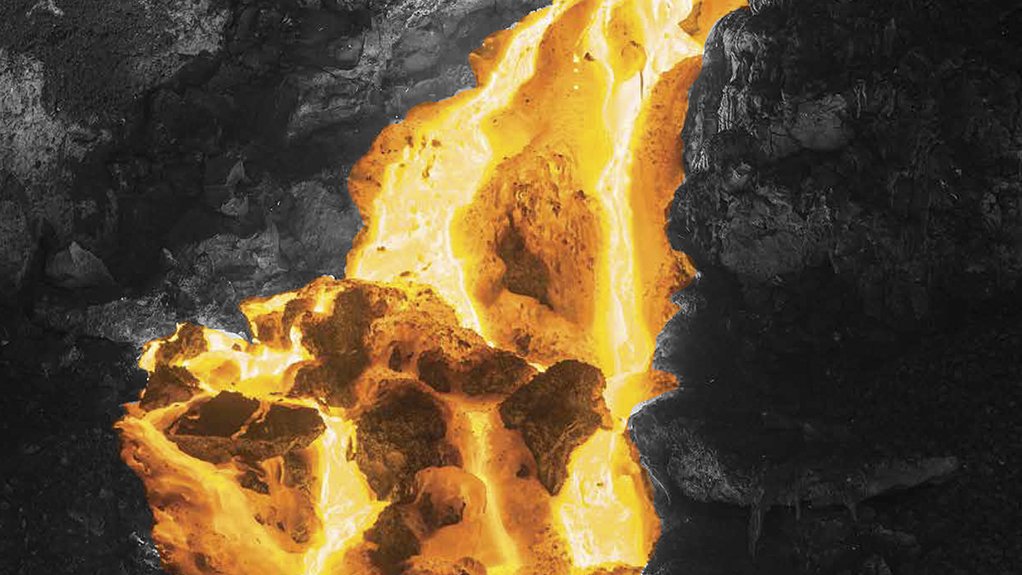
A ferroalloy composed of iron and chromium, ferrochrome is produced by smelting chromite ore with carbon coal and coke sources in electric arc furnaces.
More than 80% of ferrochrome is used to give stainless steel resistance to rust, oxidation and wear.
Most of the global output of ferrochrome is produced in South Africa, Kazakhstan and India, countries with domestic chromite resources.
Meanwhile, Merafe’s attributable chrome ore production from the venture for the nine months ended September 30 amounted to 658 000 t, representing a 7% decrease, mainly owing to lower run-of-mine production and a lower feed from upper-group-two reef concentrators.
Merafe’s attributable platinum group metals concentrate production from the venture during the period amounted to an 8%-lower 10 200 oz owing to lower primary mine production and feed mix.