Millennial Potash targets Gabon project build start by end-2027
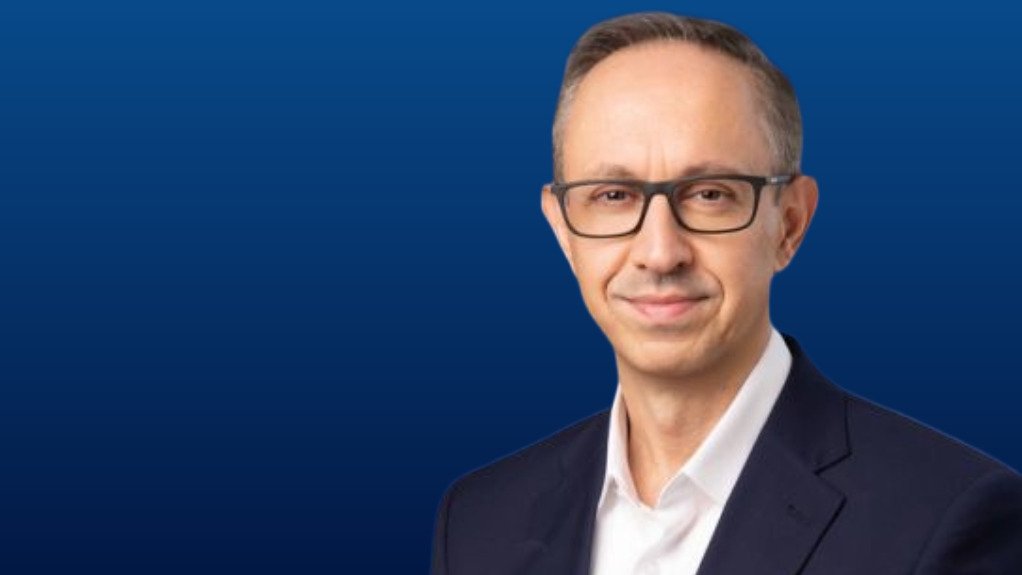
Millennial Potash aims to start construction of its US-backed Banio potash project in Gabon by the end of 2027, with annual output potentially exceeding an initial estimate of 800 000 metric tons amid growing buyer interest, its chairperson said.
Millennial Potash aims to start construction of its US-backed Banio potash project in Gabon by the end of 2027, with annual output potentially exceeding an initial estimate of 800 000 metric tons amid growing buyer interest, its chairperson said.
The Canadian resource firm is advancing a definitive feasibility study for the project on Gabon’s southern coast and is also conducting environmental and social impact studies, Farhad Abasov told Reuters late on Monday.
Millennial would then need to convert its exploration licence into a permit to mine the potash, which is a key component in some fertilisers. That conversion process is expected to start in the first quarter of 2027 and could take three to six months, he said.
The US International Development Finance Corp (DFC) has committed $3-million towards the feasibility study. The project’s initial capital expenditure is estimated at $480 million.
Abasov said Millennial was seeking to finalise a funding package for the project with DFC and other parties in order to reach financial close by August or September next year. That would allow construction to begin at the end of 2027 or early 2028.
“It takes roughly 18 to 24 months from the time you start construction to the time you actually start producing,” he said.
Once production starts, the project could ramp up to its targeted annual output of 800,000 tons within six months, he added.
“We may look at actually starting with a larger scale primarily because we have seen quite a bit of interest from potential off-takers and financiers,” he said. “Instead of 800 000 tons, we may start with one-million or 1.2-million tons of production per year.”
Abasov did not provide details on the potential off-takers but said they included groups from the US, Brazil, Asia and Africa.