US-backed group favored as investor in Tanzania nickel project
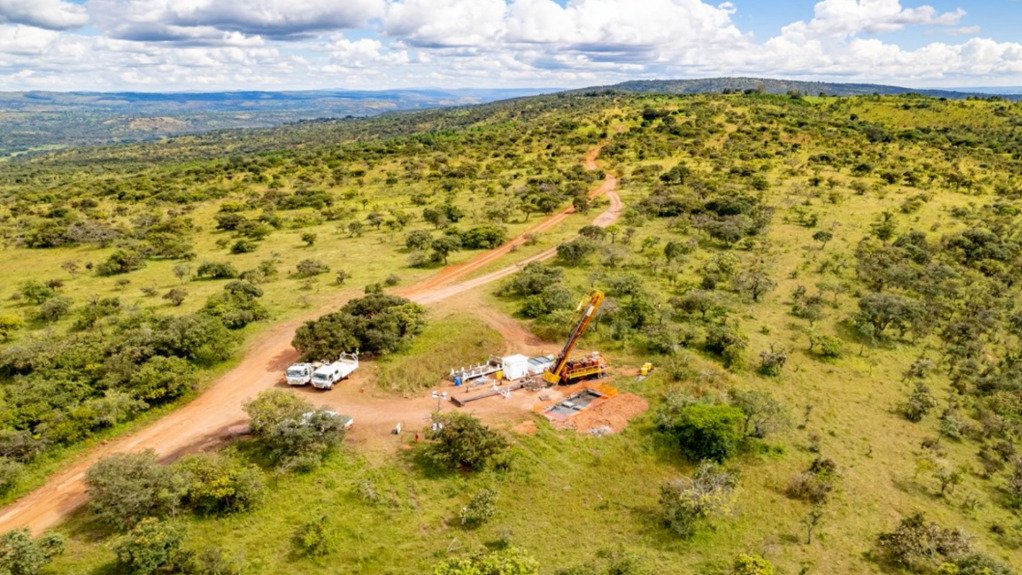
A US government-backed consortium has been picked as the favored candidate to invest in a large nickel project in Tanzania, as the Trump administration looks to fund new supplies of key metals.
Lifezone Metals, which has been seeking a partner to help the firm transform the Kabanga nickel deposit into a major underground mine, has chosen Orion CMC from among the interested parties, according to people familiar with the matter. That group was established in October with sovereign backing from the US International Development Finance Corp. and Abu Dhabi’s L’imad Holding.
If a deal goes ahead, it will mark one of the earliest investments by Orion CMC, which was set up as a tool in the US push to secure minerals deals around the world, with initial funding of $1.8-billion. The US has prioritized efforts to shore up access to critical metals and reduce dependence on China for supplies.
The transaction would also be a crucial step in the development of a significant new source of nickel, which is mainly used to manufacture stainless steel but also electric-vehicle batteries.
Lifezone CEO Chris Showalter said last week that the firm had “selected a preferred partner” from multiple offers to make a “strategic equity investment” in Kabanga. While the CEO didn’t name the group, he was referring to Orion CMC, the people familiar said, asking not to be named discussing confidential information.
The people didn’t specify the size of the consortium’s financial commitment to Kabanga Nickel, the Lifezone unit undertaking the project. Showalter said on July 29 that “discussions are in the final phase,” following a “very competitive process” overseen by Standard Chartered.
A spokesperson for Lifezone said the company doesn’t comment on market speculation.
Lifezone has said that Kabanga – which it describes as “one of the largest and highest-grade nickel sulfide deposits” – will cost about $940-million to build and produce around 350 000 t of nickel concentrate a year, as well as copper and cobalt. A refinery developed in a second phase would export higher value nickel sulfate.
The New York-listed firm, which has recruited Societe Generale to raise debt, expects to reach a final investment decision early next year as negotiations with the Tanzanian government have progressed more slowly than anticipated. The East African nation – already a significant gold producer but keen to expand in energy transition minerals such as graphite and copper – also owns a 16% stake in Kabanga.
Lifezone hired Standard Chartered to find an investment partner about a year ago after the world’s biggest miner BHP Group terminated an option to acquire control of the project and disposed of its minority shareholding in Kabanga.
Indonesia dominates nickel production, accounting for about 60% of global supply after a wave of investment by Chinese smelting firms that followed a ban on exports of raw ore in 2020.
Orion CMC’s most high-profile potential investment to date is a preliminary agreement announced in February to acquire 40% of Glencore’s majority interests in two large copper-cobalt mines in the Democratic Republic of Congo. That deal is yet to close.
The consortium is led by Orion Resource Partners, a leading global investment firm specializing in metals and mining. The DFC said in June the government agency was increasing its investment in Orion CMC to “expand US and allied access to vital minerals” and “reduce dangerous overreliance on concentrated sources.” It didn’t say how much more money would be made available.
Orion Resource Partners declined to comment, while the DFC didn’t respond to questions from Bloomberg News.
The DFC has been involved with the Tanzanian asset since at least 2024, when it began due diligence on providing political risk insurance and expressed interest in extending loans to the project.