Energy Crisis in Iran’s Cement Industry
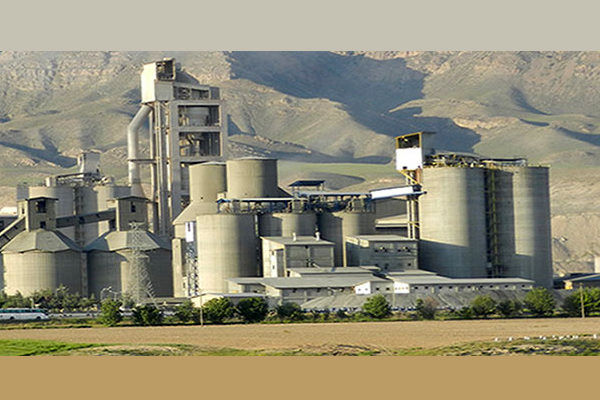
The Secretary of the Iranian Cement Industry Employers' Association stated that the cement industry currently receives only one-quarter of the electricity it requires, adding that restrictions on electricity and natural gas supply, sharp fluctuations in electricity prices on the Energy Exchange, and the presence of intermediaries in the exchange have significantly increased production costs and placed the continued operation of cement plants under serious pressure.
Speaking on the occasion of National Industry and Mining Day, Ali Akbar Olvandian said that cement is one of the country’s fundamental and strategic industries and, alongside sectors such as steel, is considered one of Iran’s most important base industries. He noted that the industry plays a significant role in developing national infrastructure, supplying downstream industries, and strengthening economic and construction security, making it a cornerstone of the country’s development.
He added that Iran’s cement industry has achieved considerable production capacity over recent years. The country’s annual cement production capacity has now reached approximately 90 million metric tons. Although the national economy continues to face sluggish growth and large-scale investment has yet to reach the desired level, domestic cement consumption is estimated at around 65 million tons annually, with the remaining output exported, making a substantial contribution to Iran’s non-oil exports.
Referring to the industry’s current challenges, the Secretary of the Cement Industry Association said that, like other energy-intensive industries, the cement sector has faced serious problems in recent years due to energy imbalances. Restrictions on electricity and natural gas supply have become one of the industry’s primary concerns, with production facilities struggling with these shortages throughout the year.
Olvandian explained that the cement industry currently receives only about 400 megawatts of electricity from the national grid, despite requiring approximately 1,600 megawatts. This means that only a small portion of the industry’s electricity demand is being met, significantly affecting production capacity and the continuity of operations at cement plants.
Referring to the implementation of the Seventh National Development Plan and the move toward procuring industrial electricity through the Energy Exchange, he said the cement industry faces two major challenges. The first is the limited electricity allocation from the Ministry of Energy and the national grid, while the second is the lack of sufficient transparency and stability in the Energy Exchange’s trading mechanism.
According to the Secretary of the Cement Industry Employers’ Association, the electricity market on the Energy Exchange has yet to achieve the stability needed for effective industrial planning. Sharp price volatility has created significant uncertainty for manufacturers. As an example, he noted that over the past two weeks, electricity prices have fluctuated from approximately 7,500 tomans to more than 20,000–25,000 tomans. By contrast, in many developed energy markets, increased supply and greater market stability generally lead to more predictable and often declining prices. Instead, Iranian industries are confronted with severe and unpredictable fluctuations in electricity procurement costs.
Olvandian emphasized that maintaining the industry’s resilience requires a balance between production costs and selling prices. He explained that when product prices remain regulated, production costs should also remain relatively stable. However, the cement industry is currently facing not only energy supply restrictions but also dramatic swings in electricity prices, substantially increasing overall production costs.
He added that the industry’s problems extend beyond electricity. Restrictions on natural gas supply and the continuous rise in fuel costs have placed additional pressure on producers. As a result, the cement industry is simultaneously dealing with two major challenges: limited access to energy and highly volatile energy prices. Many manufacturers have effectively stopped purchasing electricity through the Energy Exchange because planning production becomes impossible when electricity prices can double within a short period.
Criticizing the current structure of electricity trading on the Energy Exchange, the Secretary of the Cement Industry Association said one of its major flaws is the participation of intermediaries that are not actual electricity consumers. According to him, these entities purchase electricity on the exchange, hold it, and then resell it to industrial consumers during periods of peak demand at significantly higher prices. This practice has contributed to market distortions and unreasonable increases in electricity prices.
Comparing the situation with the Commodity Exchange, Olvandian noted that such a mechanism does not exist there. Cement is sold directly by producers, and buyers are not permitted to return purchased products to the exchange for speculative trading. As a result, opportunities for intermediary speculation and artificial price inflation are significantly more limited.
In conclusion, he stated that manufacturers are facing freely increasing production costs—including energy, spare parts, equipment, and raw materials—while lacking the ability to adjust their product prices accordingly. If this situation continues, it will weaken the industry’s resilience and threaten the sustainability of production. He therefore called for the establishment of a transparent mechanism for supplying energy to industry, reform of the Energy Exchange’s trading structure, direct electricity sales from power plants and energy producers to end users, and the elimination of non-consuming intermediaries from the market.