Greenland Implements Ban on Seabed Mining
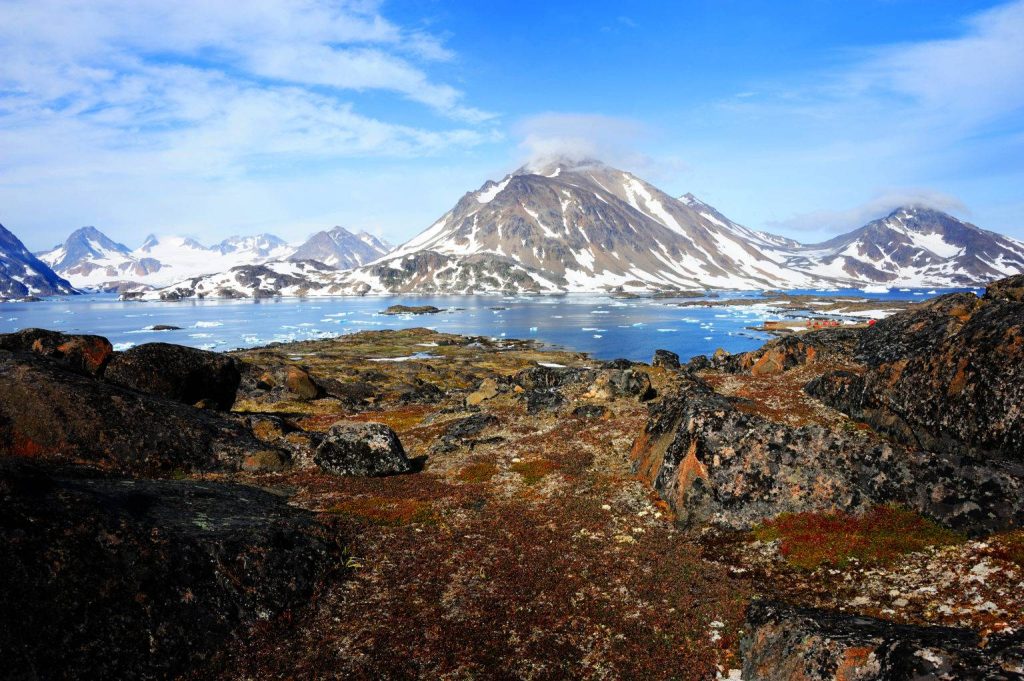
Greenland's parliament, with a decisive unanimous vote, passed a resolution banning all mining operations and mineral extraction from the seabed; a geopolitical and environmental decision taken just one day after Donald Trump's promotional maneuver regarding the commencement of massive oil, gas, and mineral exploration on this strategic island, confronting the world's battery metals and critical elements supply chain equations with new variables.
C RMF24, Greenland’s parliamentary representatives, in drafting this legislative roadmap, stipulated that the ban on deep-sea mining will remain in effect at least until the end of 2029; a framework that also provides for the possibility of extension in two-year intervals. The detailed and final bill for this ban is expected to receive final approval by the parliament of this semi-autonomous territory under Danish sovereignty in the first half of 2027.
This regulatory shift occurred exactly 24 hours after the controversial stance of the US President. Trump, in a social media post relying on the security agreement signed between the two parties last September, described this strategic territory as “our new and beautiful Greenland” and spoke of launching extensive exploration programs for oil, gas, and mineral resources. Washington has continuously sought since 2019 to purchase or gain control over this island under the justification of national security considerations, and has not even ruled out the military option in its discourse.
Greenland, possessing one of the world’s most pristine and untouched mineralization belts, is at the center of attention for Western critical minerals supply and defense industry strategies. The presence of world-class assets such as the Tanbreez deposit, with a staggering resource of 28.2 million tons of total rare earth oxides (TREO), has made this territory the main focus for exploration of the world’s largest untouched rare earth element reserves, according to the US Geological Survey (USGS).
However, US pressure to issue deep-sea extraction permits has faced a broad wave of ecological warnings regarding the irreparable destruction of marine biodiversity. The reserves of polymetallic nodules on the ocean floor—which contain the fundamental components for producing electric vehicle batteries, defense systems, and high-tech electronic equipment—have now encountered another technical and metallurgical challenge; USGS researchers have recently discovered that some of these metal-rich rocks undergo spontaneous combustion when exposed to atmospheric oxygen during processing stages; an unexpected risk that has plunged the operational safety and economics of this emerging extraction method further into ambiguity.