Impressive Performance of Khuzestan Steel Despite Energy Challenges
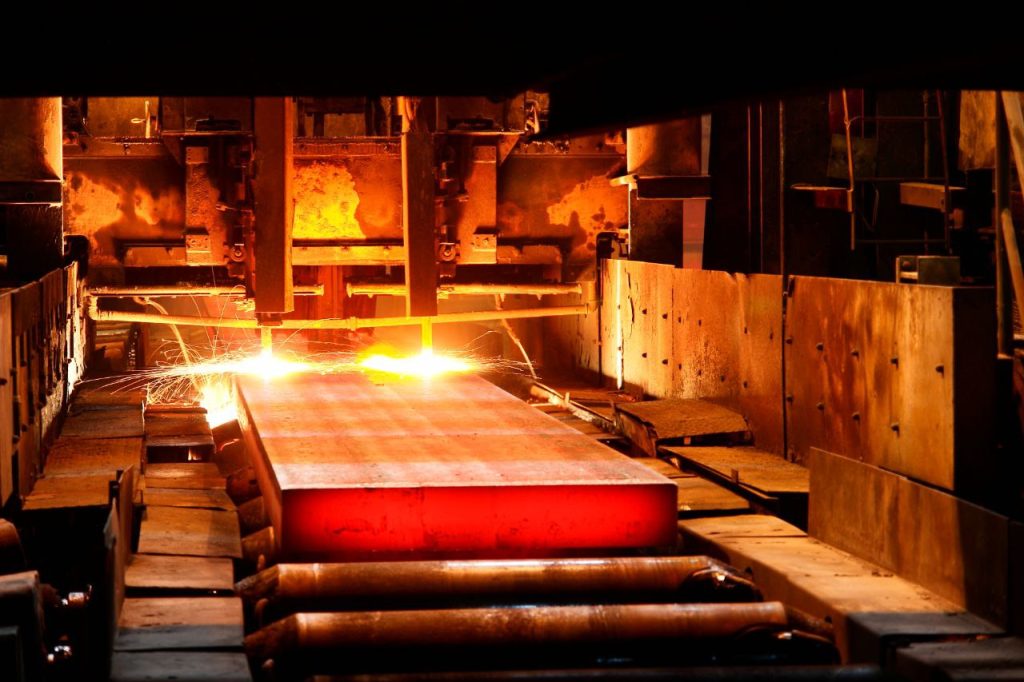
Iran ranks as the 10th largest steel producer in the world. The steel industry plays a pivotal role in job creation, income generation, and foreign exchange earnings, and it serves as a key driver of capital accumulation and the expansion of other industries within the country's economic system.
The global added value of the steel industry is estimated at €500 billion. The added value of supporting and service-providing industries globally reaches €1.2 trillion, which is 2.5 times that of steel. Similarly, the added value of steel-consuming industries worldwide is also estimated at €1.2 trillion. Altogether, the total added value of the steel industry and its related and dependent sectors amounts to €3 trillion—five times the value of steel alone.
The industrial sector accounts for 20% of Iran’s Gross Domestic Product (GDP), with steel comprising 7% of that share. In other words, a decline in steel production directly impacts the GDP and disrupts the steel value chain.
The severe energy restrictions imposed on the steel industry this year, affecting operations throughout the year, not only reduced revenue and profit but also affected a portion of the national GDP—an impact that concerns every citizen.
Despite the significant challenges caused by energy limitations, Khuzestan Steel Company experienced a strong winter season, showcasing impressive supply and sales statistics and affirming its position as a major player in the country’s steel industry.
In February, the company recorded a sharp increase in sales on the Iran Mercantile Exchange by offering 270,000 tons of products worth 7.494 trillion tomans, reflecting a strong upward trend. Overall, Khuzestan Steel’s revenue in February reached 7.948 trillion tomans, marking an 18% growth compared to the previous month. Notably, bloom and billet sales rose by 37% during this period.
A key point of interest is that Khuzestan Steel has managed to maintain stable production and sales from the beginning of the fiscal year through February 1403 (Persian calendar). The company recorded 11,714,349 tons of cumulative production and successfully sold 3,230,684 tons of its products, securing its position in the market.
Sustainable economic growth requires balanced growth in production. A steady steel production not only meets domestic and export demands but also supplies essential raw materials for the construction, automotive, and home appliance industries.
Creating favorable conditions and supporting the development of downstream industries aligned with continuous steel production, as well as promoting economic and social development in surrounding regions, are among the core strategies of the steel industry. This includes developing and selecting downstream steel-related industries tailored to regional needs and outputs, and encouraging investment to expand industrial towns and zones.
In truth, imposing energy restrictions on the steel industry is merely avoiding the real problem—solutions must be strategic, not superficial.
(By Maziyar Jafarieh)