Trekor submits detailed project description as start to enviro approval for Yellowhead copper mine
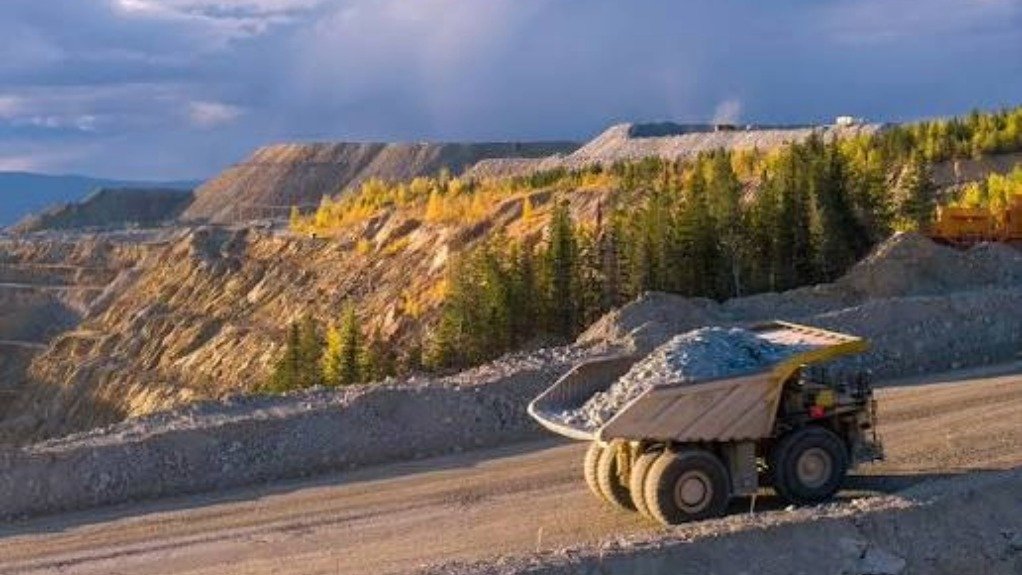
Trekor Metals, formerly Taseko, has submitted a detailed project description of the Yellowhead copper project to the British Columbia Environmental Assessment Office.
The detailed project description provides more information about the proposed openpit mine in the Thompson-Nicola region, incorporating additional technical work and community feedback received during early engagements as part of the environmental assessment process on the project.
Trekor confirms that more than 1 000 local community members have participated in a series of open houses and events hosted by the project team.
“The detailed project description marks an important milestone, advancing Yellowhead to the next phase of the provincial environmental assessment process and informing the readiness decision and process planning phases to come. Process planning and scoping work is also underway for the Simpcw Process – an Indigenous-led, consent-based decision-making model,” says Trekor president and CEO Stuart McDonald.
He adds that community engagement to date has helped inform refinements to the project in certain areas while maintaining the overall project design and objectives.
“Environmental studies and engineering work continue to advance with a site investigation and drilling programme planned for this summer,” McDonald states.
Meanwhile, a comprehensive economic impact study on Yellowhead finds it will generate total economic output of $47-billion and value added GDP of $27.3-billion for Canada. About 70% of this economic activity will occur in British Columbia’s Thompson-Nicola region.
During mine operations, Yellowhead will directly employ 525 workers but support an overall 3 305 jobs when including direct, indirect and induced employment.
Yellowhead is planned to be a major new source of copper in Canada, with average yearly production of 178-million pounds of copper in concentrate over a 25-year mine life. This level of production would make the project the country’s second-largest copper producer, increasing Canada’s yearly copper output by 16%, compared with 2025 levels.