G7 critical minerals pact boosts Australian opportunities
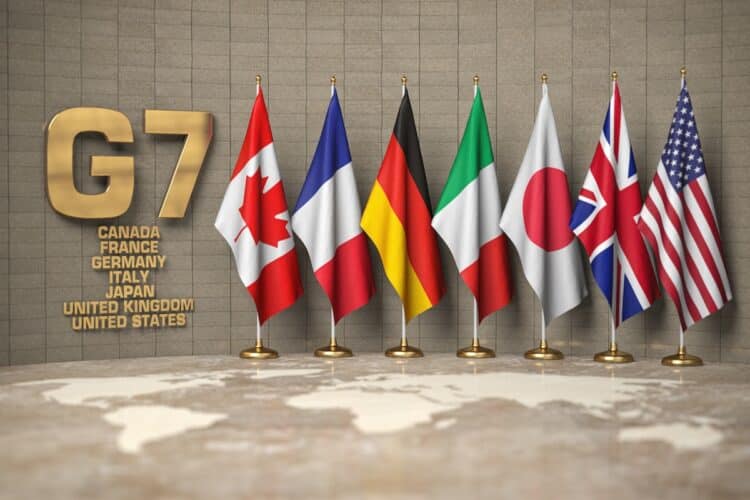
A renewed push by Group of Seven (G7) nations to strengthen coordination on critical minerals supply chains is expected to create fresh opportunities for Australian miners as Western economies seek to reduce reliance on dominant suppliers.
G7 leaders agreed this week to increase cooperation on critical minerals, including plans to align stockpiling efforts and establish a new platform with an expanded role for the International Energy Agency (IEA).
The move forms part of a broader effort by Western nations to diversify supplies of minerals essential for defence, technology and renewable energy applications.
In a joint statement, G7 leaders said they aim to reduce dependence on any one supplier outside the G7 and partner countries for rare earths and permanent magnets to below 60 per cent by 2030, with an ultimate goal of 50 per cent as soon as possible.
As a partner country to the G7, Australia also supports the commitment.
The commitment follows concerns over supply chain vulnerabilities after export curbs on permanent magnets last year disrupted industries reliant on a single source of supply.
“We are committed to working towards establishing harmonized, interoperable mechanisms …. This would start with two pilot critical minerals – lithium and nickel – and aim to avoid undermining competitiveness or imposing excessive cost burdens,” the leaders said in a joint statement.
Under the proposal, the mechanisms would initially focus on lithium and nickel before expanding to five additional minerals each year, with a particular emphasis on rare earth elements.
The announcement comes shortly after Australia and the United Kingdom signed a new Joint Statement of Intent aimed at strengthening cooperation on critical minerals supply chains, particularly for defence applications.
The agreement recognises the growing importance of critical minerals to both economic prosperity and national security. Areas of cooperation include Australia’s Critical Minerals Strategic Reserve, mobilisation of finance, research and development, and recycling initiatives.
The two countries also agreed to expand defence-sector cooperation through existing governance arrangements, including the Australia–UK Joint Working Group on Critical Minerals, with the aim of strengthening industrial resilience and defence readiness through secure supplies of critical minerals.