Draft Australian LNG policy draws ire from industry
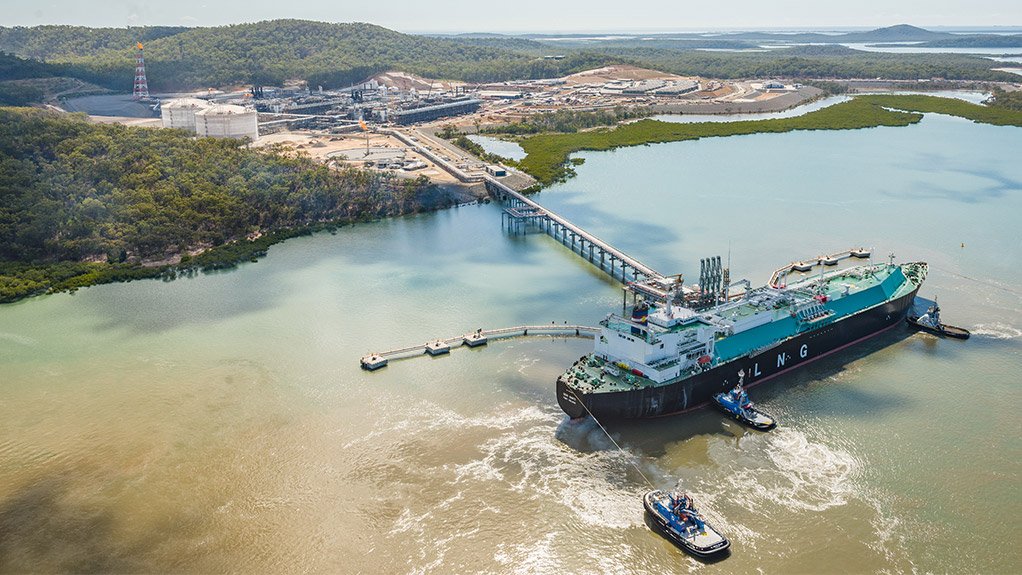
The Australian government on Monday released a draft of its liquefied natural gas (LNG) export rules for consultation, looking to clarify its new 20% domestic reservation rule but drawing criticism for opacity instead.
The Domestic Supply Obligation (DSO) rule will operate from July 2027 and will only apply to contracts or extensions of existing contracts signed after December 22 last year, although it is clear while it will “respect” contracts it wants more gas to market.
It will replace a swathe of other measures designed to ensure the country’s east coast does not face gas shortfalls, which are predicted to begin by the next decade.
A spokesperson for industry lobby body Australian Energy Producers (AEP) said the draft imposed “complex and opaque compliance” requirements on exporters that would ultimately undermine trust in Australia from the major Asian trade partners it depends on for liquid fuel supply.
It applies nationally despite LNG export powerhouse Western Australia having its own 15% reservation policy and not being physically connected to the east coast. Woodside Energy and Chevron both operate facilities in the State that make up close to two-thirds of Australian exports, according to government data.
After Iran strikes on Qatar, Australia became the world’s second-largest exporter of LNG after the US.
COMPATIBLE POLICIES
“The Western Australia state government will be engaging with national government throughout the design process, but it is confident the national scheme will be compatible with Western Australia’s successful policy once finalised,” a government spokesperson said.
MST Marquee analyst Saul Kavonic said the Santos-operated Gladstone LNG (LNLG) plant in Queensland would be the worst hit as all its gas is contracted for export.
Other partners are Malaysia’s Petronas, TotalEnergies and Kogas.
“The policy clearly has GLNG in its crosshairs as GLNG will have to show it has been unable to buy gas from neighbouring LNG projects before it can get its DSO reduced,” Kavonic said.
Kevin Morrison, energy finance analyst for Australian Gas at the Institute for Energy Economics and Financial Analysis, said the “critical issue” was a Kogas contract that ends in 2030 but the 20% policy would provide assurance to industrial users dependent on gas.
A spokesperson for Santos said the company was not concerned by the policy as it only applied to future contracts. “We anticipate no interference with the performance of our existing contracts,” she said.
The operator of Queensland Curtis LNG Shell declined to comment and Australia Pacific LNG did not respond at the time of publishing. Both companies export LNG via contract and supply the domestic market.
Last week at a conference of the Australian Energy Producers group, Shell Australia chairperson Cecile Wake said the policy could lead to oversupply that would push down prices and ultimately discourage investment in new gas exploration and development.
Beach Energy CEO Brett Woods said in an emailed statement it was “essential” that domestic-only producers such as his were consulted in order to ensure ongoing investment in exploration projects for the market.