Nel, Rheinmetall partners to decentralise renewable fuel production in Norway
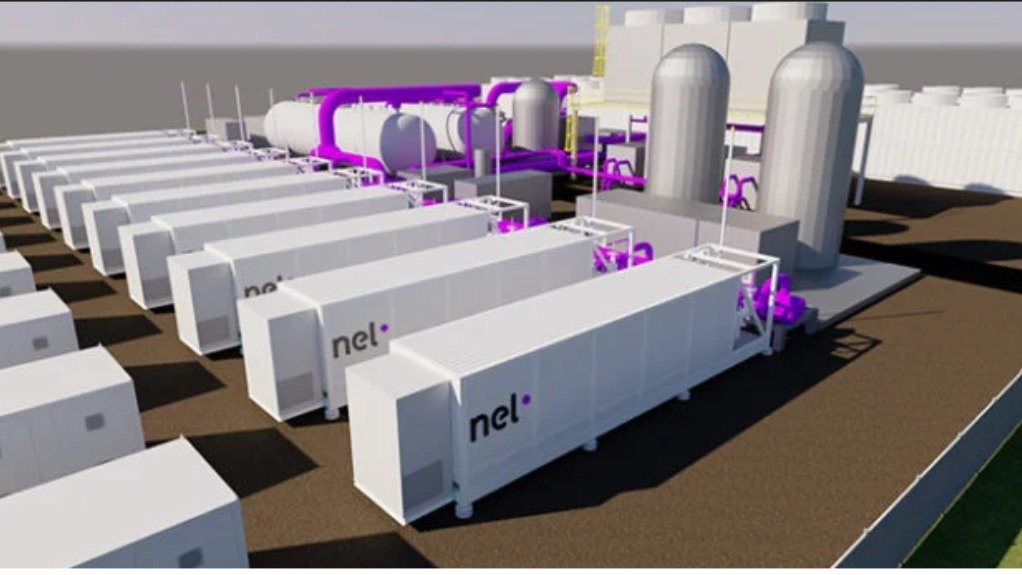
Norwegian industrial gas company Nel and German defence contractor and integrated technology group Rheinmetall have signed a memorandum of understanding (MoU) to explore joint opportunities in decentralised renewable fuel production.
The collaboration will combine Nel’s electrolyser technology for renewable hydrogen production with Rheinmetall’s Giga PtX concept and systems-integration expertise to assess scalable, modular solutions for the localised production of low-carbon synthetic fuels for defence and critical infrastructure applications.
For the Giga PtX project, Rheinmetall has been seeking and announcing strategic tie-ups with local champions for specific markets. Building on this great progress, Rheinmetall is expanding its strong partner network with Nel for the Norwegian market.
The parties will explore the deployment of decentralised synthetic fuel production based on renewable hydrogen produced through electrolysis, enabling the production of synthetic fuels that can substitute conventional fuels without requiring changes to end-use applications.
By producing fuels closer to where they are needed, it can reduce reliance on centralised production and long, vulnerable supply chains. Additionally, by deploying modular fuel production nearer to demand centres, the collaboration aims to strengthen energy security and preparedness through a more decentralised fuel supply system.
In a period of heightened geopolitical tension, secure access to fuels is becoming an increasingly important part of national preparedness, Nel states, explaining that many countries remain dependent on imported fuels or refined products supplied through long, centralised logistics chains.
Under the MoU, Nel and Rheinmetall will jointly assess technical and commercial feasibility, including potential sites, infrastructure requirements, renewable power access, sustainable carbon sources and priority use cases.
The cooperation may include pilot projects to validate modular concepts and demonstrate the viability of decentralised fuel ecosystems.
“Producing fuels closer to where they are consumed can reduce exposure to disruption and strengthen national and regional energy security. This challenge is particularly evident in Norway. With only one oil refinery in operation, the country exports significant volumes of crude oil to Europe for refining before refined products are transported back for domestic use. In times of disruption, this can leave parts of the fuel supply chain dependent on infrastructure beyond national control,” the company says.
“Countries that depend on long and vulnerable fuel supply chains face increasing uncertainty. We believe renewable hydrogen can play an important role in enabling more resilient fuel systems while reducing emissions,” emphasises Nel CFO Kjell Christian Bjørnsen.
“Through this collaboration with Rheinmetall, we are exploring how our technology can be integrated into new value chains for synthetic fuels.”
Rheinmetall brings extensive industrial expertise in defence, advanced systems engineering and infrastructure development, and sees strong potential in next-generation fuel ecosystems.
“The transformation of energy systems requires new partnerships across industries. By working with Nel, we are exploring decentralised synthetic fuel solutions that can support both civilian and defence-related needs. We see localised synthetic fuel production, enabled by electrolysis, as an important element in strengthening energy security and future fuel supply chains,” comments Rheinmetall hydrogen programme head Shena Britzen.
For Rheinmetall, Norway represents a natural starting point given its strong renewable power base, industrial capabilities, and ongoing development of carbon capture and utilisation value chains, although the scope of the cooperation is not limited geographically.
Norway’s energy system is characterised less by a shortage of electricity generation than by constraints in transmission and distribution.
Decentralised fuel production can enable renewable energy to be converted and used closer to the source, creating additional flexibility in how renewable power resources are utilised while potentially reducing pressure on existing infrastructure.