Chinese region promotes coal chemicals as energy security fix
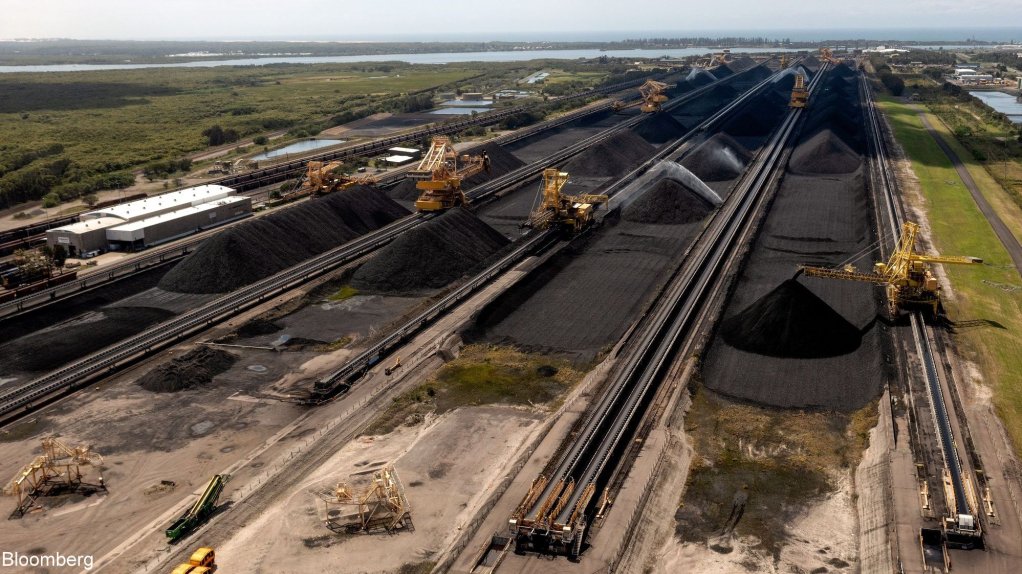
One of China’s top coal-producing regions plans to expand use of the feedstock to manufacture chemicals, even as the practice poses a rising threat to the country’s climate goals.
The Iran War has boosted the coal-to-chemicals industry’s economics by raising the price of oil. Local officials are touting it as a key source of energy independence for China.
“Increasing production of coal-based chemical products will improve self-sufficiency in oil and gas domestically, helping to mitigate and offset energy security challenges at the industrial level,” said Huang Zhiqiang, executive vice chairperson of the Inner Mongolia Autonomous Region’s government, at a press conference in the capital Hohhot on Thursday. “This reduces our reliance on imported oil and gas, lowering the proportion of foreign imports.”
The region is home to one of China’s top coal-to-chemical hubs — the city of Ordos, where the black fuel is transformed into olefins to produce plastics as well as oil and gas. The Baofeng olefins plant, which came online last year with annual production of three-million tons, is the country’s largest, and several other major olefin facilities are under development in the area.
The Iran war has delivered a tailwind for the industry, and Bloomberg Intelligence projects coal consumption in the sector could grow as much as 20% this year.
Although the coal-based alchemy is bolstering China’s self-sufficiency, it is also undercutting the country’s climate progress. The industry’s expansion in recent years has led to rapid carbon emissions growth, climbing 12% in 2025 alone, according to the Center for Research on Energy and Clean Air.
Inner Mongolia has also emerged as one of China’s strongest clean energy champions, boasting the country’s highest wind generation last year and a slew of green tech factories, including from leading companies Ming Yang Smart Energy Group and Envision Energy.
Local officials said on Thursday that the region would peak its emissions on schedule, before 2030, while defending coal’s role in China’s energy system.
“We firmly believe there’s no backward industry, only outdated technology, and so we’re fully advancing the greening of mining operations,” said Huang. “Intelligent transformation closely aligns with national planning and layout — steadily promoting a series of green, low-carbon, modern coal-chemical projects.”