BHP trials multi-feedstock biofuel blend
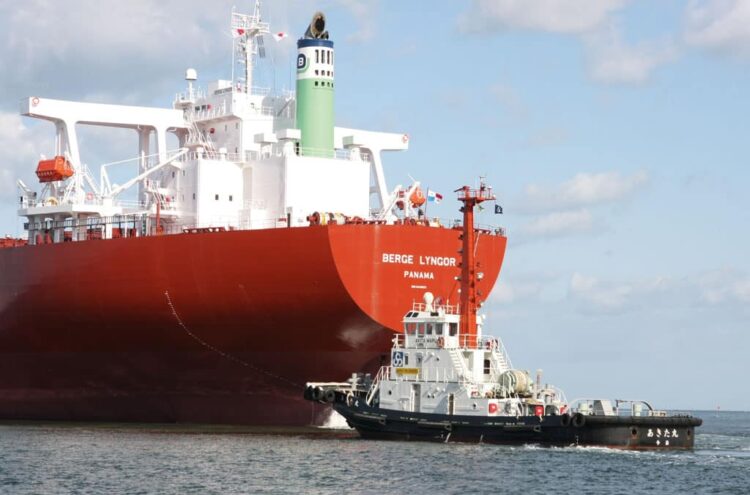
BHP and GCMD are trialling a biofuel blend made from used cooking oil and waste animal fats in a bulk carrier voyage from Australia to China.
The pilot is testing how biofuels from multiple feedstocks can be blended, handled and traced through existing marine fuel supply chains. It also aims to assess potential operational challenges, including fuel quality, corrosion risks and wax formation that can affect vessel performance.
“This initiative reflects the shared commitment of BHP and GCMD in the maritime value chain to unlock scalable, credible lower-emissions fuel pathways, as well as the importance of mobilising the industry to deliver decarbonisation solutions,” BHP vice president maritime & supply chain excellence Emma Roberts said.
“As the world’s largest bulk charterer, we want to continue to test and trial alternative fuels that will help increase supply and send industry demand signals for further investment.
“At a time when fuel security is vitally important to global trade, building opportunities for future biofuels is critical. Along with LNG and ammonia, biodiesel has a big role to play in the future supply of sustainable marine fuels.”
The trial comes as the shipping sector seeks to diversify biofuel feedstocks beyond used cooking oil, whose availability is approaching projected limits. Waste animal fats are being examined as an additional source of lower-emissions marine fuel that could help expand supply and provide greater procurement flexibility.
The bio-blend is being used aboard the Berge Lyngor, owned and operated by Berge Bulk, on a voyage carrying BHP iron ore from Western Australia to China.
The vessel bunkered in Singapore in early May with a B100 blend comprising 50 per cent tallow-derived biodiesel supplied by HAMR Energy and 50 per cent used cooking oil methyl ester supplied by Mitsui & Co Energy Trading Singapore. Mitsui blended the fuel, while Dan-Bunkering coordinated the bunkering operation.
According to the project partners, the fuel has the potential to reduce well-to-wake greenhouse gas emissions by about 79 per cent per voyage compared with very low sulphur fuel oil.
GCMD chief executive officer Lynn Loo said the organisation had developed a framework to verify biofuel quantity, quality and lifecycle emissions reductions, providing a foundation to assess how alternative feedstocks can be credibly integrated into marine fuel supply chains.
The pilot is co-funded by the Maritime and Port Authority of Singapore through its Maritime Innovation and Technology Fund.