Eskom confirms Nersa’s approval of concessionary tariff for ferrochrome smelters
Eskom confirmed on Friday that the National Energy Regulator of South Africa (Nersa) had approved the amended negotiated pricing agreement (NPA) framework for two ferrochrome producers that included an interim concessionary pricing arrangement.
Eskom applied on April 10 to implement a 62c/kWh tariff for the smelters and Nersa made the NPA decision following public consultations, which included public hearings held on May 25.
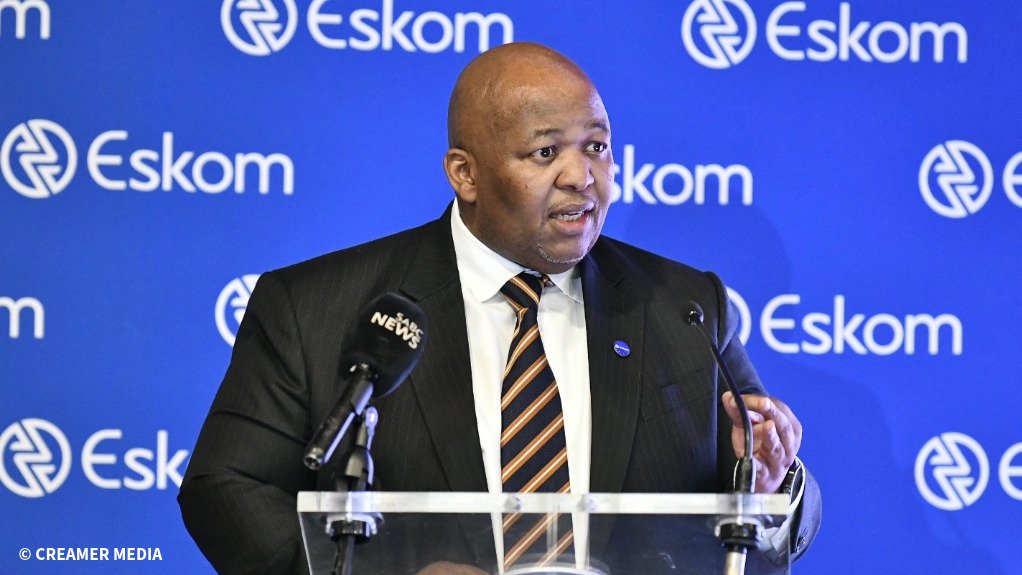
CEO Dan Marokane said the approval reflected a balanced approach to supporting strategic industrial capacity while maintaining Eskom’s financial and operational sustainability.
“The framework is structured within a regulated environment, includes appropriate risk-sharing mechanisms and does not place additional financial obligations on standard tariff customers or taxpayers.
“Sustaining viable industrial demand remains important for economic activity, employment and long-term system stability,” Marokane added.
Eskom said that while the duration of the agreements differs—five years for Samancor Chrome and three years for the Glencore-Merafe Venture—the core contractual terms, pricing mechanisms and risk-sharing conditions were consistent.
“The framework provides a stabilisation mechanism for both Eskom’s financial position and the broader economy.
“It supports continued electricity demand from the sector while sustaining jobs and economic activity across the ferrochrome value chain.
“Retaining this baseload demand also improves system utilisation and helps mitigate risks associated with fixed supply obligations, contributing to overall system and financial stability,” the statement reads.
Eskom said the framework would not result in additional tariff recovery from standard tariff customers or taxpayers.
“The revenue variance associated with the concessionary tariff is ring-fenced and cannot be recovered through future tariff mechanisms or Regulatory Clearing Account processes.
“The framework also requires no additional government fiscal support and includes an equitable upside-sharing arrangement linked to market performance.”