Whitehaven Coal misses production estimates, sees long-term demand
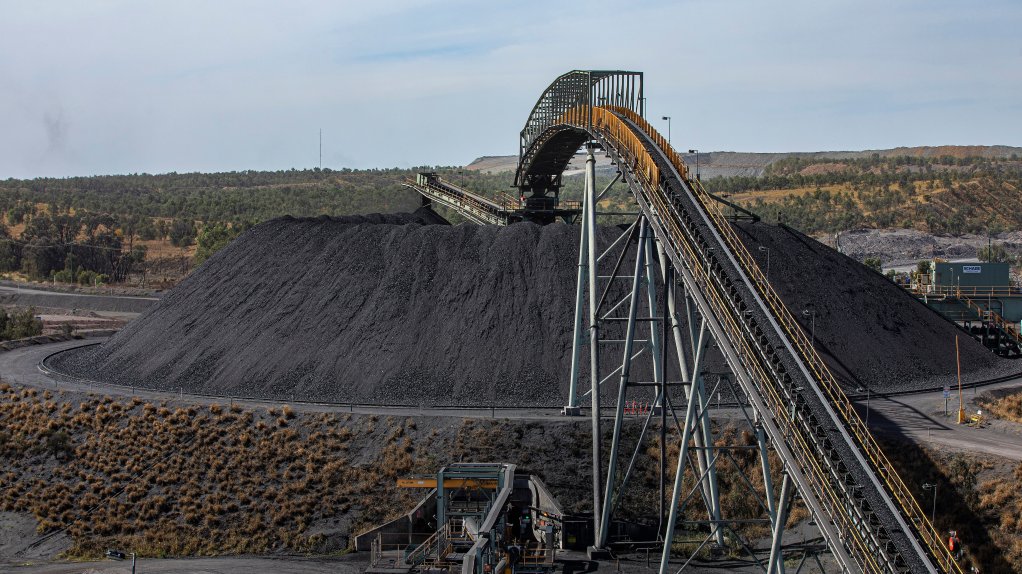
Whitehaven Coal missed market estimates for quarterly production on Friday, sending its shares lower, even as the miner said it expected metallurgical coal prices to find support in the long term from a looming global production shortfall.
Shares of Australia’s top independent coal miner fell as much as 4.6% to A$6.69 in their biggest intraday drop since early September.
Managed run-of-mine (ROM) coal production came in at 9-million metric tons for the first quarter ended September 30, missing a Visible Alpha consensus estimate of 9.3-million tons and down nearly 7% from last year’s 9.7 million tons.
The estimate miss reflected downside impacts from dragline sequencing – the process of repositioning heavy excavation equipment to new mining areas – at the company’s Queensland operations.
Production at the operations, which include the Blackwater and Daunia mines it bought from BHP Group in 2023, fell 12% as the Sydney-headquartered firm pursued optimisation of its operating model.
“We look to continued volume improvements from Maules Creek recovery and sustained Narrabri performance; and stability in the Queensland assets,” said analysts at Jefferies.
Whitehaven Coal expects a sustained tightening in global metallurgical coal supply, with declining output of high-quality hard coking coal from Australian producers and rising demand from India likely to support stronger prices.
Indian demand for Australian metallurgical coal has been subdued, weighed down by discounted Chinese steel exports.
“However, China’s efforts to curb steel production and tackle oversupply are supporting early signs of a recovery in metallurgical coal prices,” said Whitehaven.
Metallurgical coal made up about 56% of Whitehaven’s sales mix by revenue in the September quarter, down from a year earlier.
The decline reflected the company’s sale of a 30% stake in its Blackwater mine in Queensland, as well as a rally in thermal coal prices that outpaced metallurgical coal during the period.