Paladin restructures debt facility
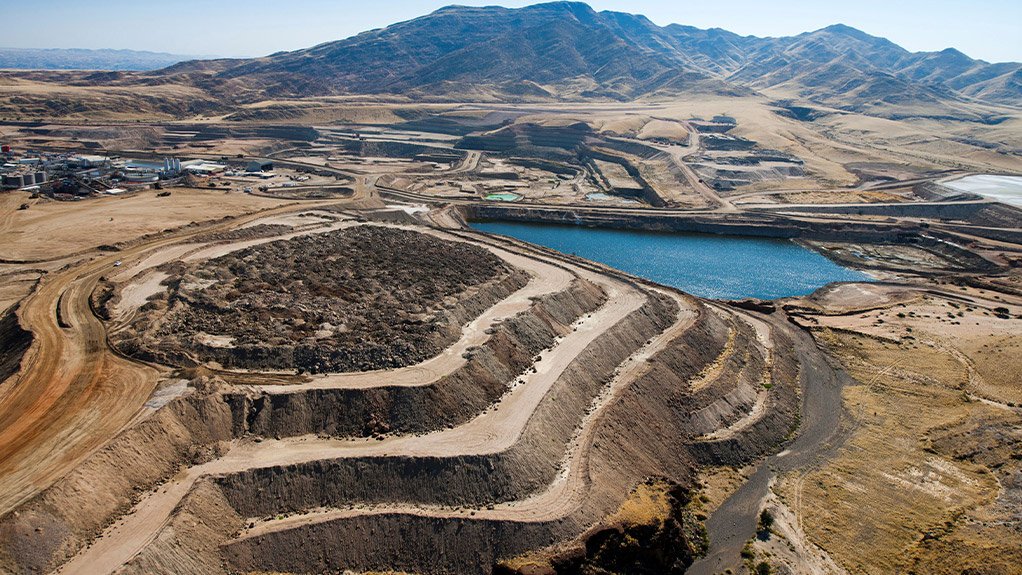
Uranium producer Paladin Energy has executed a restructure of its syndicated debt facility, reducing overall debt capacity while increasing financial flexibility as the company advances the ramp-up of production at its Langer Heinrich mine, in Namibia.
Paladin on Thursday reported the restructure of its debt facility with lenders Nedbank Limited, Nedbank Namibia Limited and Macquarie Bank.
The original debt facility was put in place in January 2024, ahead of the restart of production at Langer Heinrich and before Paladin’s acquisition of Fission Uranium. The company said the restructure “right-sizes” its debt capacity, reducing it from $150-million to $110-million, reflecting Paladin’s enhanced liquidity position following the completion of a A$300-million equity raise and a A$100-million share purchase plan during 2025.
Paladin said the revised facility also reflected its increasing maturity as a uranium producer, while providing greater undrawn debt capacity and improved balance-sheet flexibility as operations continued to stabilise and ramp up at Langer Heinrich.
Under the restructured arrangements, Paladin will have access to a total $110-million debt facility, comprising a $40-million term loan facility and a $70-million revolving credit facility.
The term loan facility will mature on February 28, 2029 and is intended to reduce costs associated with the company’s existing debt portfolio. As part of the restructure, Paladin will make a repayment of $39.8-million on completion to reduce the term loan balance.
The revolving credit facility, which will be undrawn on completion, will provide Paladin with $70-million in additional liquidity. It will mature on February 28, 2027 and includes options to extend the maturity twice by a further year.
Paladin said the restructure leveraged its strengthened financial position and is designed to support ongoing operational execution at Langer Heinrich, while preserving financial flexibility to manage market volatility and future growth opportunities.