Khuzestan Steel Company Sets Historic Production Record in April 2025 Despite Energy Constraints
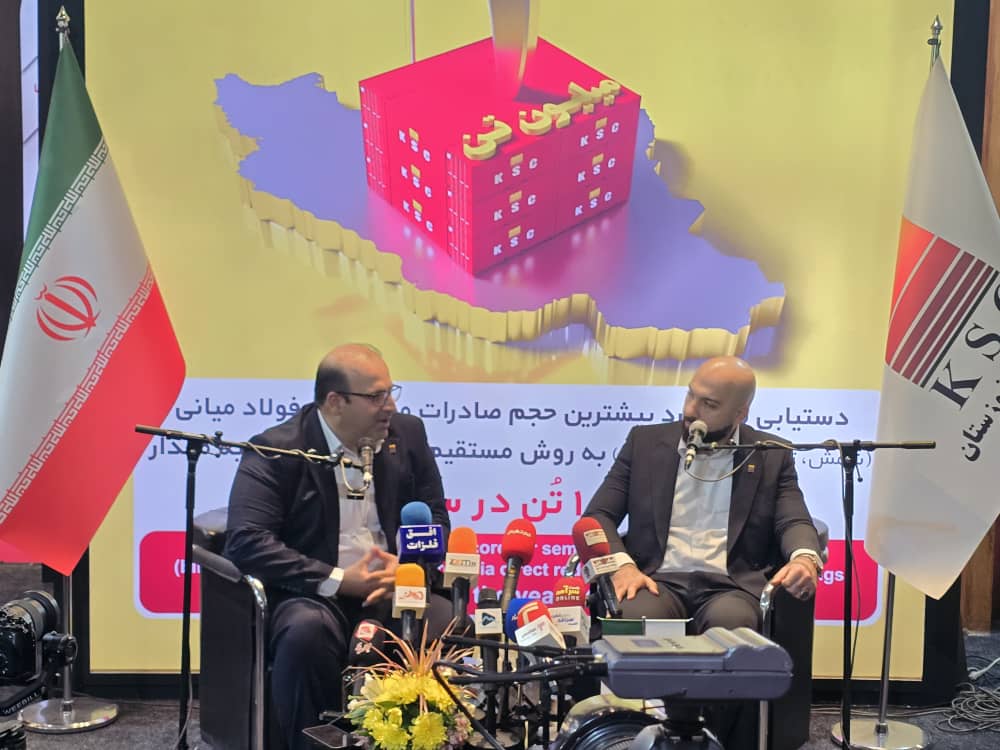
While Iran's steel industry continues to grapple with severe energy limitations, Khuzestan Steel Company shined in April 2025 by setting historic production records. In a press conference held at Expo 2025, CEO Amin Ebrahimi shared the company’s impressive achievements, major challenges, and development plans for the future.
Ebrahimi, referring to the company’s performance in 2024 (Iranian year 1403), stated:
“With a production capacity nearing 4 million tons and the integration of the Shadegan complex into its operations, Khuzestan Steel has become the country’s second-largest steel producer. The company supplied 38% of the flat products market and 20% of the billet market last year, making it the largest supplier of semi-finished steel products in the country.”
He added that with the launch of the major “Zamzam 3” project and increased sponge iron production capacity, Khuzestan Steel’s share in this segment has reached approximately 17% of the nation’s total.
Highlighting that the company achieved record-breaking production levels despite major energy challenges, Ebrahimi said:
“In April 2025, even with a 15-day electricity supply limitation, we broke 40-year records in both steelmaking and direct reduction production.”
He pointed to the damages caused by energy restrictions:
“Last year, due to power limitations, around 980,000 tons of production were lost, which resulted in a revenue shortfall of 250 trillion rials (approximately 25 trillion tomans).”
Ebrahimi also warned:
“If energy constraints persist as they did in 2024, we are at risk of losing 30 to 40 percent of our production this summer. For the first time ever, electricity restrictions affected steel producers as early as April this year—something unprecedented—indicating a very tough summer ahead for the steel industry.”
Turning to the issue of sustainable water supply for steel production, he noted:
“We are moving toward using industrial wastewater and recycling water. Our goal is to meet all of our water needs through unconventional and recycled sources.”
Addressing Khuzestan Steel’s export position, Ebrahimi emphasized:
“In the past four years, the company has exported 5.8 million tons of steel products, becoming the largest steel exporter in Iran. All foreign currency earnings from these exports have been returned through official national channels.”
However, he stressed that:
“Failure to comply with the minimum supply thresholds on the commodity exchange and the misuse of one-time-use commercial cards have negatively impacted Iran’s steel exports.”
He expressed hope that these obstacles would be resolved in the remainder of the year.