Vulcan reaches financial close on $3.9bn Lionheart lithium hydroxide monohydrate plant
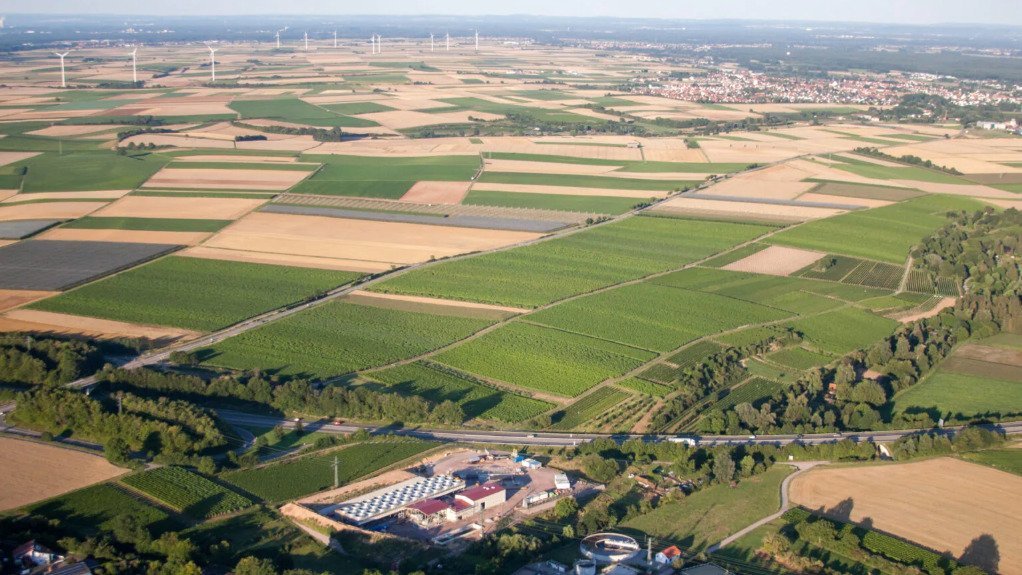
Vulcan Energy has achieved financial close on the €2.2-billion, or $3.9-billion, funding package required to fund construction of the zero-carbon Lionheart lithium and renewable-energy project in Germany.
The funding package includes equity and debt financing arrangements at the project, subsidiary and company level.
Vulcan is building the world’s first integrated carbon-neutral lithium and renewable-energy business to decarbonise battery production.
Located in the Upper Rhine Valley Brine Field between Germany and France, Lionheart marks a lighthouse project for Europe’s energy and critical raw materials resilience.
Vulcan targets production of 24 000 t/y of lithium hydroxide monohydrate, which is enough for 500 000 electric vehicle batteries. The Lionheart site will also generate 275 GWh of renewable energy and 560 GWh of heat every year for local consumers over the project’s estimated 30-year life.
Lithium is to be extracted from low-impurity geothermal subsurface brines using Vulcan’s industry-leading VULSORB technology.
Naturally heated, the brine powers production and conversion of lithium to battery-quality material by creating a renewable-energy co-product for use in operations, with surplus sold into the local energy market. This integration, technology and favourable brine chemistry collectively enables one of the lowest cost lithium operations globally.
“Reaching financial close is a significant milestone and reflects the continued support from our financing partners, including European and German government agencies, commercial banks and strategic industrial partners. We continue to enact our strategic plan to deliver Lionheart on time, on budget and to nameplate capacity,” says Vulcan executive director and group CFO Felicity Gooding.