Chinese firms speed up plans to build new coal power plants
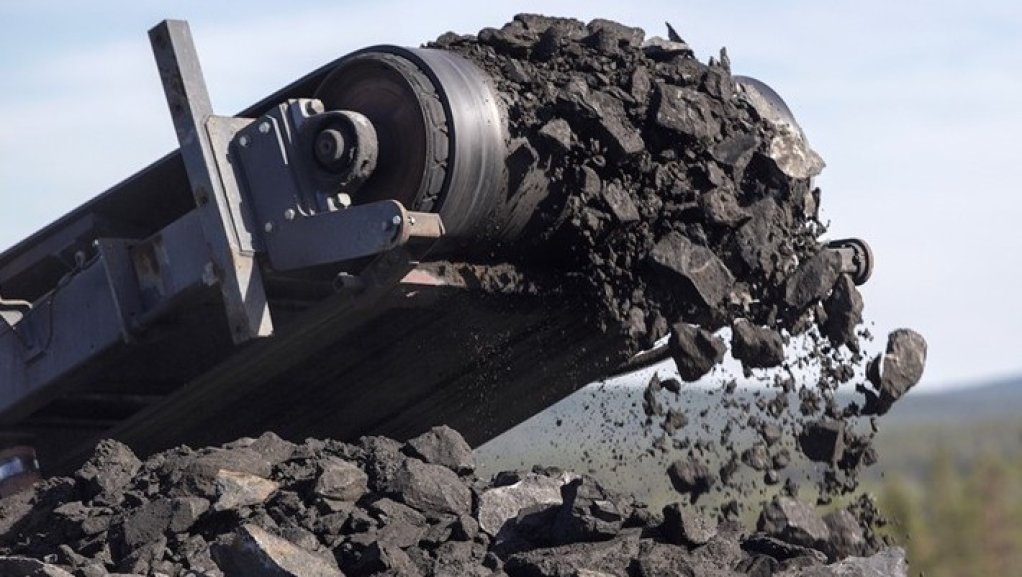
Chinese firms are accelerating the pace at which they propose new coal-fired power plants, even as the government moves to rein in growth after the rapid expansion in recent years.
Companies requested approval for 51 GW of new plants in the first quarter of the year, according to Global Energy Monitor (GEM), ahead of the record pace set in 2025 that saw 162 GW of new proposals over the full year. Construction has boomed since a spate of power shortages in 2021 and 2022 as the government touts coal’s role as a reliable back-up to intermittent renewables.
Still, it’s unclear how long the government will let the spree continue. Beijing has said coal use will peak before 2030, and in April the environment ministry said it plans to “rationally control” coal-powered capacity. Of the new proposals in the first quarter, only 3 GW have been approved, according to GEM.
Coal’s domestic abundance also relies on a hazardous mining industry that’s once again in the spotlight after the deadliest accident in years on Friday left at least 82 dead.
The onslaught of new coal plants in China comes even as a surge in clean energy reduces the need for fossil fuels. Thermal generation fell last year for the first time in a decade, although it’s since rebounded. Coal plant utilization fell from 56% to 52% in 2025, and the current batch of proposals risks intensifying that trend, tying up capital that might be better deployed elsewhere in the power system, said Christine Shearer, a researcher at GEM.
“The debate in China today is often less about whether renewables can grow quickly enough, and more about whether policymakers are willing to let coal’s role diminish as clean energy scales up,” Shearer said.
The new requests were spread evenly across the quarter, according to GEM. That indicates there wasn’t a sharp reaction to the global energy shock stemming from US and Israeli strikes on Iran at the end of February.
“The latest crisis may strengthen the justification for continuing coal development, but the underlying expansion likely would have been happening anyway,” Shearer said.
China’s sharper declines in housing transactions and investment in April — after a first-quarter rebound led by top-tier cities — show the road to stabilization will be bumpy, Bloomberg Economics said.
Companies across at least nine European countries bought carbon credits from Chinese projects that may never have existed, or for which there are serious concerns over verification, a Bloomberg investigation found.
China’s world-beating coal production has helped shield its economy from the worst of the Iran war shock. Now the deadliest mining disaster in years is raising uncomfortable questions about the cost of that drive.