China’s iron-ore buyer seeks new port rules to tighten its grip
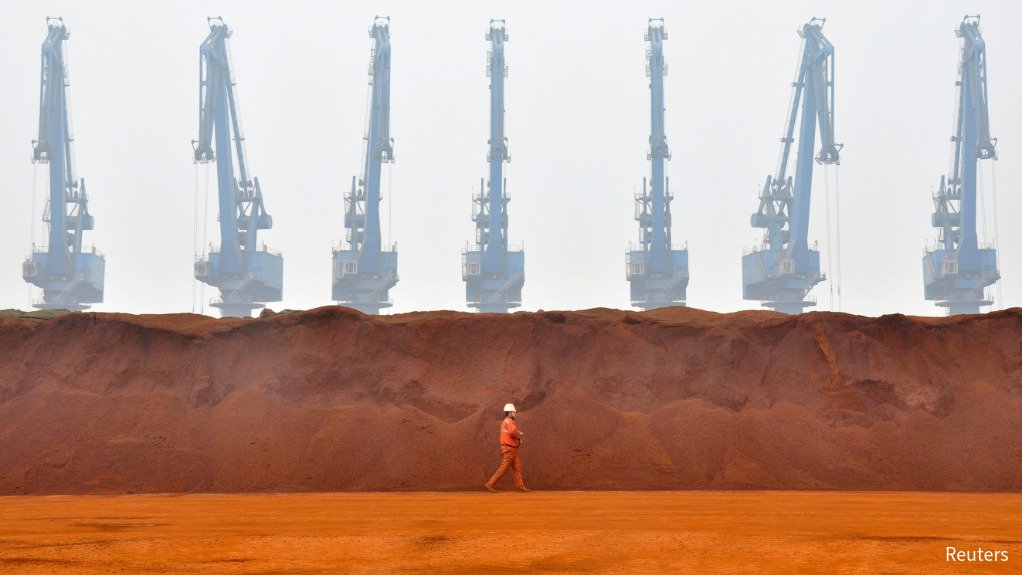
China’s State-backed iron-ore buyer is proposing measures to curb hoarding of the steelmaking ingredient at ports, in a move that could dent the pricing power of foreign miners and traders.
China Mineral Resources Group Co. has asked authorities overseeing import terminals to raise storage costs, according to people familiar with the matter. The move is aimed at around 15 mostly offshore companies, including mining majors BHP Group and Vale, said the people, asking not to be named discussing private information.
The idea is to make it harder for miners and traders to hold iron ore at ports for lengthy periods, reducing their ability to influence supply and prices. The ambitious push also underscores the exceptional clout that CMRG now wields within China’s administrative system.
China is by far the world’s biggest buyer of iron ore, but has long complained prices are mainly dictated by major global miners. CMRG was set up in 2022, but has become more aggressive this year, banning the import of two types of ore from BHP, the world’s largest miner, after long-term contract talks faltered. It’s now in the process of holding talks with other miners on supply for next year, the people said.
Under the CMRG proposal, miners and traders would receive up to 30 days of free storage, the people said, After that, fees would begin at 0.1 yuan per ton per day and then progressively rise until reaching a cap of 1 yuan after 180 days, they said. Currently, ports generally allow 60 days of free storage, and then impose more modest charges after that.
Some Chinese steel mills and traders linked to the state-run buyer would be exempt from the new rules, though they are also being encouraged to reduce their inventories at ports, the people said.
The plan has so far been communicated by a few ports to certain traders, but there’s been no official announcement from Beijing, they said.
CMRG and China’s transport ministry didn’t immediately respond to requests for comment. BHP and Vale declined to comment.
The state-run buyer has repeatedly criticized what it views as opaque or distorted pricing practices in the iron ore market, arguing that these mechanisms push up costs for China’s steelmakers and weaken the country’s negotiating power. It warned earlier this week, in a commentary by its research unit, that the current resurgence of “false heat” in iron ore prices is the result of speculative trading activity.
China’s iron ore trading ecosystem is notoriously byzantine. Cargoes often move through several intermediaries, can be blended or re-packaged at different ports, and may circulate as paper positions long before they materialize as physical shipments.
The port proposal has been in preparation within CMRG for some time and has involved discussions with China’s transport authorities and port regulators, one of the people said. It is not yet clear whether any such changes would also affect iron ore futures on the Dalian Commodity Exchange, which can be settled through physical delivery.